

What Decides Whether AI Helps Your Brand or Cheapens It?
Every fashion brand now has the same image generator. Almost none of them have figured out how to make it stop embarrassing them.
The tools arrived for everyone at once, which is the problem. Your intern and Zara have access to the same models. So the advantage stopped being “do you use AI” and became “can you use it without looking like you gave up.” Most brands cannot yet, and it shows: the warped hand, the melting seam, the jacket that grows a third button between frames, the model with a face assembled from a focus group nobody ran. The internet named this genre already. It’s slop, and slop at scale is worse than posting nothing, because it teaches your audience that your brand is careless in the exact medium where taste is the entire product.
But then there’s the other pile. Ad creative that looks like a real campaign, shot on a real day, on a brand you recognize, produced at a volume and speed no photo studio could touch. Same underlying technology. Wildly different outcome. The gap between those two piles is not the model. It’s everything wrapped around it.
Why You Suddenly Need a Thousand Photos
First, why anyone is risking the slop at all. A single product now needs a clean e-commerce shot, a handful of lifestyle scenes, paid-social crops in 3 ratios, a seasonal restyle, and enough distinct variations to keep a Meta or TikTok campaign from dying of fatigue. Multiply by a few thousand SKUs and you’ve invented a workload no shoot calendar survives. And the variations aren’t vanity: ad-serving algorithms test many creatives to match intent, so more on-brand options mean better matching and lower acquisition cost. Farfetch put a number on it: it needed hundreds of variations from a single catalog feed, which ends every argument about whether to automate.
The Brands Getting It Right (and How)
Look past the demo reels at brands that put this into real production. The method matters more than the output, so here’s what each actually built.
Farfetch. Fed white-background catalog images into Smartly AI Studio, generated brand-consistent backgrounds and scenes, and dropped them into dynamic templates that restyle hundreds of SKUs automatically. A vacation-themed test, resortwear placed into AI scenes, validated it, and the reported payoff, per Smartly, was +64% ROAS, +65% gross transaction value, and +70% orders, with zero added design headcount. The mechanism: separate a clean product feed from generated context, then templatize the combination.
Mango. Ran the cleanest playbook in the business for its Sunset Dream campaign, its first fully AI-generated campaign, live across 95 markets. The process: shoot real photos of every garment, train a model to place those true garments on an AI model, then, the step amateurs skip, have the art team retouch and master every final frame in-studio. Real product, generated context, human finishing. That sequence is the playbook. It is the same pipeline Tuple Strategy runs, which is why our AI generations read as real photography, with garments that sit and drape the way they actually would.
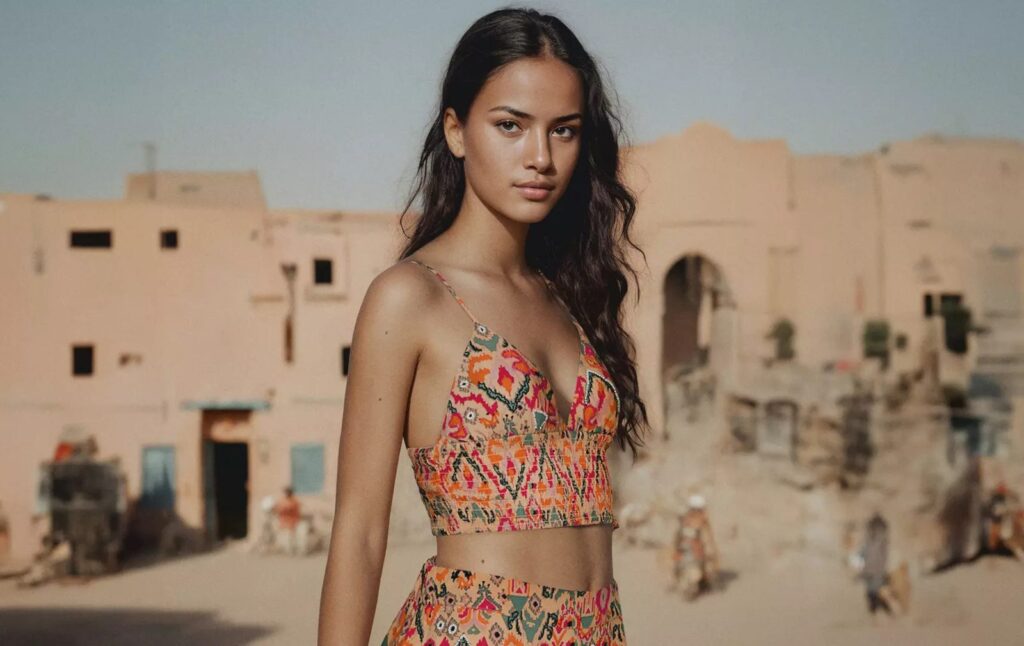
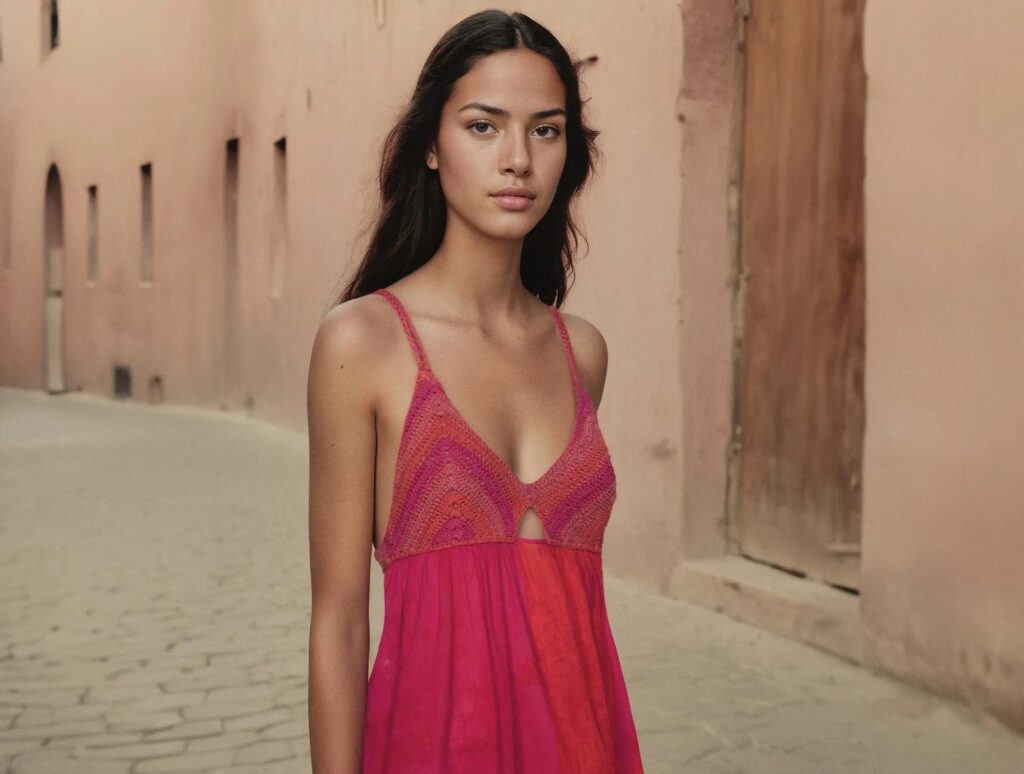
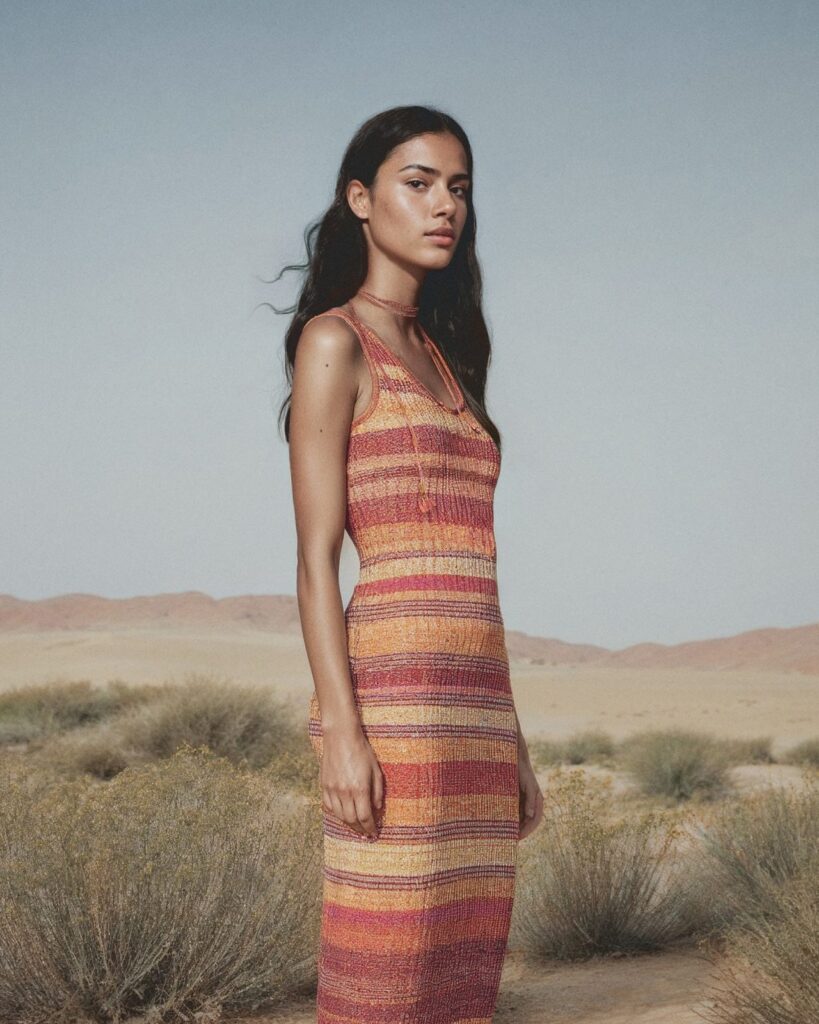


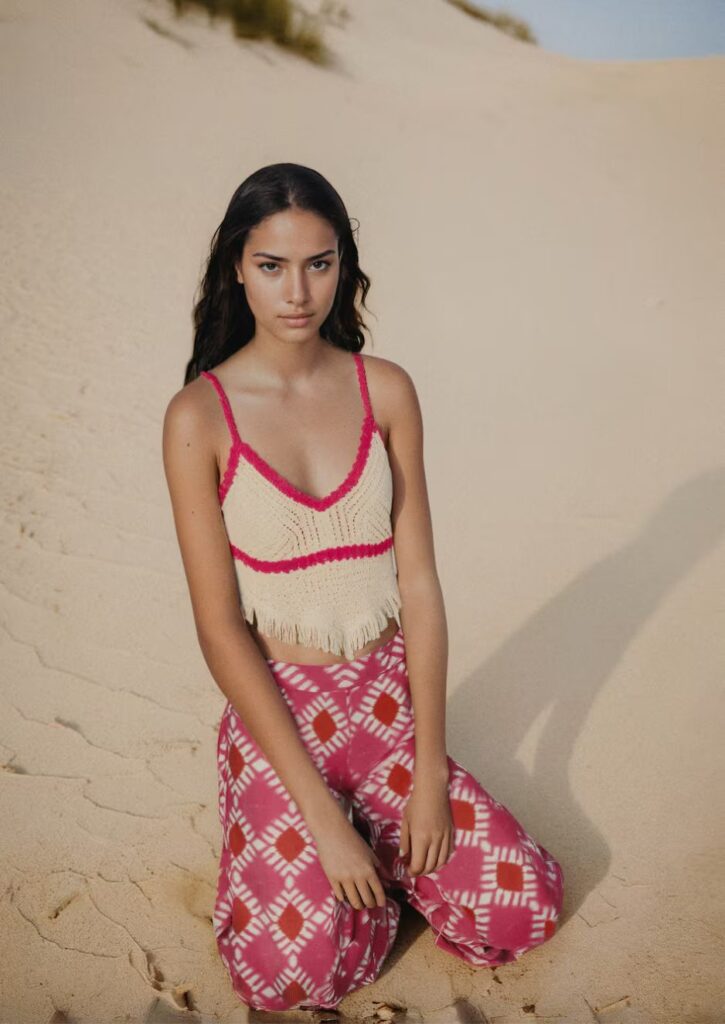

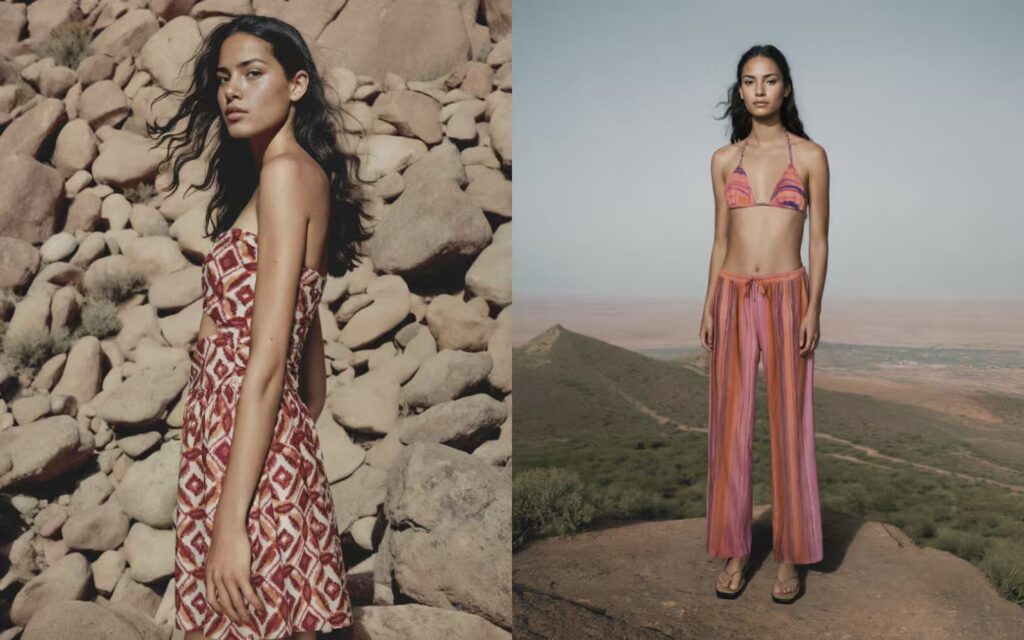
Zalando. Now generates or AI-supports roughly 90% of the content in its Concept Store, up from basically none a year earlier, collapsing the campaign cycle from 8 weeks to days, per RetailNews.ai. In a market where a micro-trend is stale in a fortnight, that’s the difference between catching it and eulogizing it.
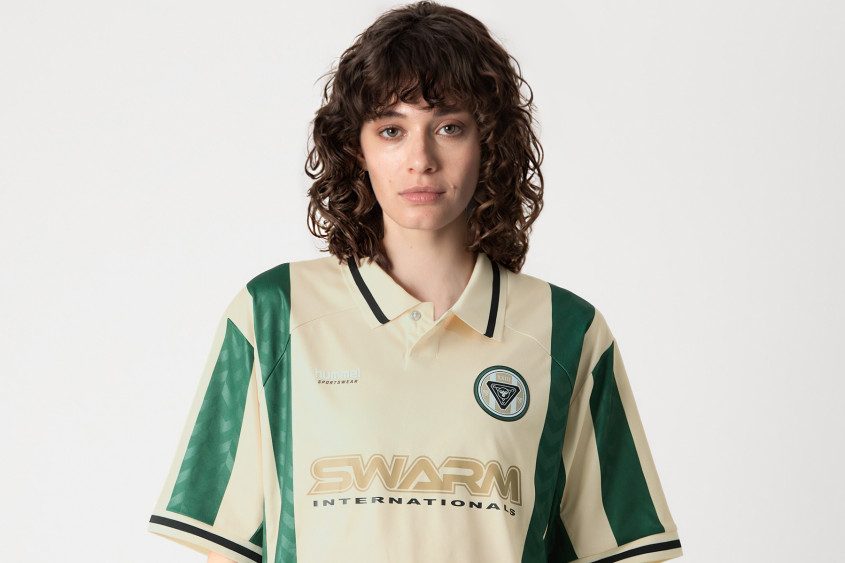
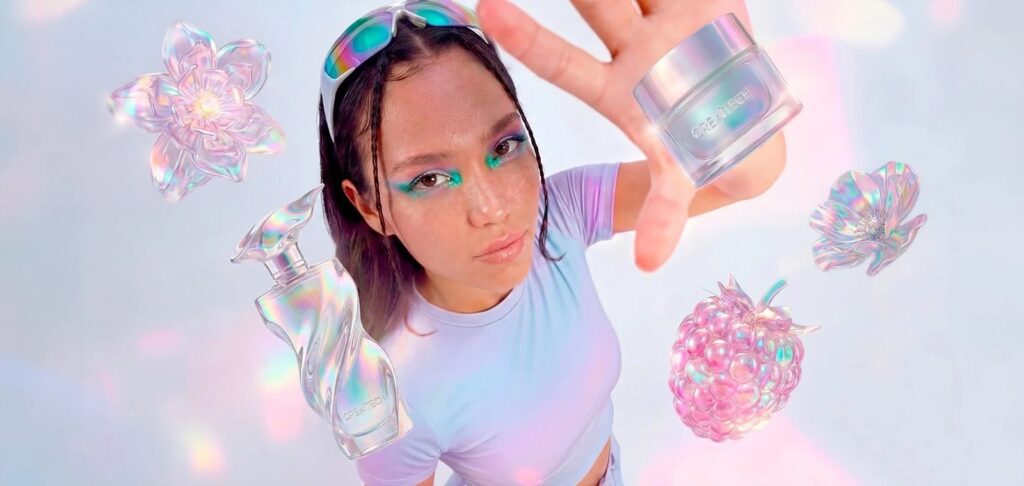
L’Oreal. Built CreAItech, an in-house engine that routes between models (Google’s Gemini and Veo, Adobe, Stable Diffusion and others) depending on the job, and preserves each brand’s identity. CEO Nicolas Hieronimus told investors it cut production costs 40% and produced 50,000 assets, per ContentGrip. The lesson is beauty, but the discipline is universal: model routing as creative strategy, governance baked in, not prompt-and-pray.
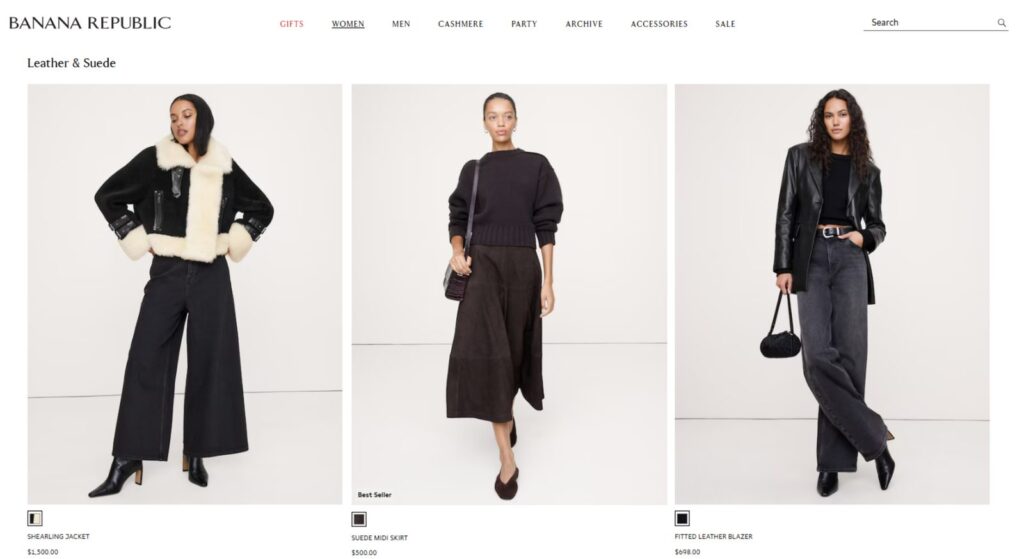
Gap Inc.. Went industrial at Cannes 2026, pairing Google’s Nano Banana and Veo for content at scale with agentic workflows across Gap, Old Navy, Banana Republic, and Athleta, per WWD. Its marketing lead framed the goal as freeing people for strategy and storytelling: automate the grind, keep humans on taste.
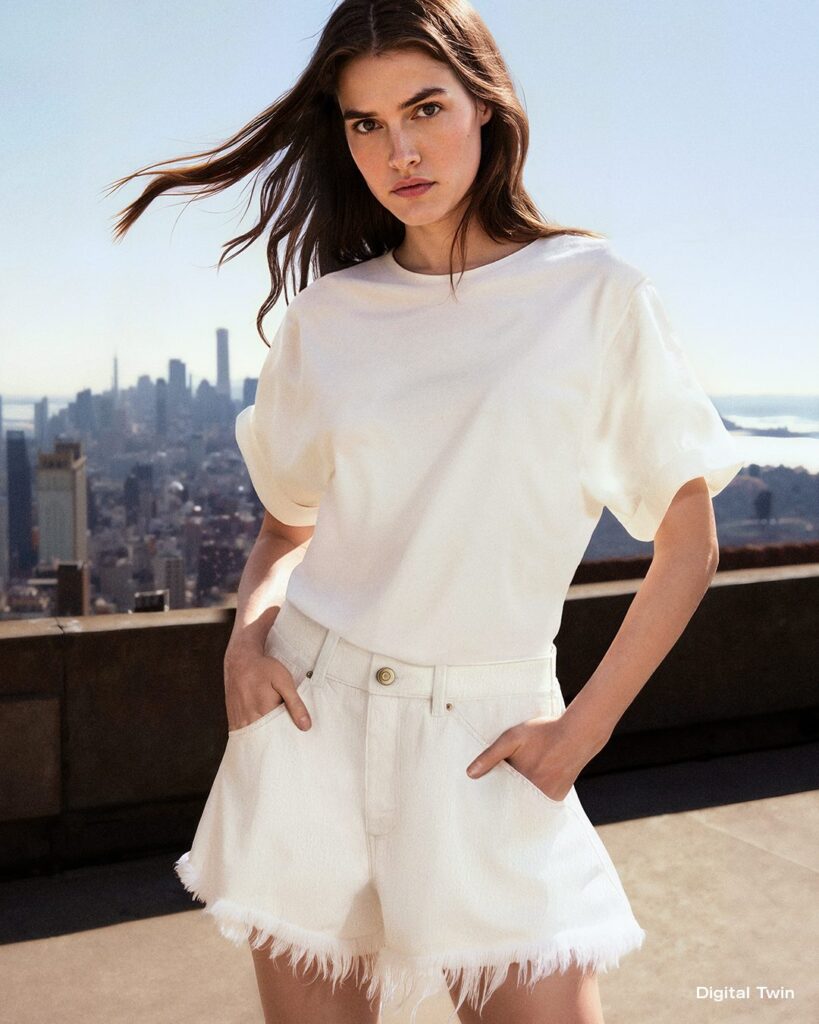
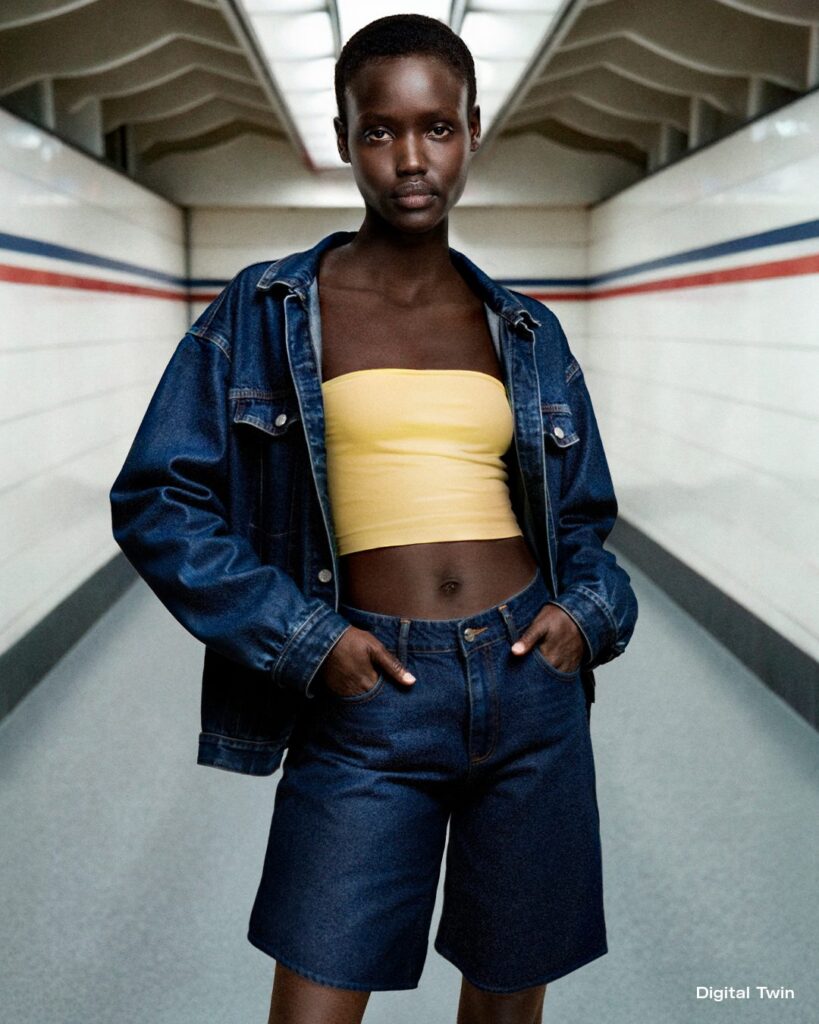
H&M. Built AI “digital twins” of 30 of its models with Swedish firm Uncut and shipped them on a 2025 denim campaign, per Business of Fashion. Crucially, models keep the rights to their replicas, get paid on agent-agreed terms, and the AI use is watermarked. Chief Creative Officer Jorgen Andersson calls it man and machine; the retained-rights structure makes it sound like legal strategy as much as philosophy.
The Slop Line: What Actually Separates the Two Piles
Put those wins next to the garbage and the difference is never the model. It’s 3 things.
First, product truth. Every brand that wins keeps the real product sacred and only generates the world around it. Farfetch generated backgrounds, not handbags. Mango trained on real garments and never let the model reinvent them. The slop pile does the opposite: it asks AI to imagine the product, and AI cheerfully invents a coat that doesn’t exist and can’t ship.
Second, art direction. Mango’s team retouched and mastered every frame; the losers prompt once and post whatever falls out. AI is a junior with infinite speed and no taste. Left alone, it produces confident nonsense. Directed, it produces campaigns.
Third, a brutal category tax worth saying plainly. Fashion is hard for AI precisely where fashion lives, drape, seam logic, fit, the fall of a pleat, how a knit catches light. A render that’s 95% right is 100% off-brand when the missing 5% is a mangled cuff on your hero product. And it gets worse the shinier you go: jewelry, with its reflective metal and faceted stones, is genuinely brutal for these models. The smart move is to point AI at apparel and lifestyle, where it’s strong, and keep a real shoot or heavy human finishing on the categories where it reliably faceplants.
There’s a slower cost too. People clock generic AI aesthetics on sight now, and the read is “cheap.” Business of Fashion has flagged 2026 as the year brands swing back toward human connection and away from interchangeable sameness. Publishing obvious, off-brand slop in that climate signals the precise opposite of the premium you’re trying to charge for.
The Part Legal Will Ask About
Then the liability side. Using a person’s likeness, even a digital replica, without a clear deal is an exploitation risk, which is why H&M’s retained-rights-plus-compensation model is the template worth copying. The counter-pressure is loud: the modeling union Equity’s Adam Fleming warns that many models are pushed into contracts that “deny them ownership and fair compensation,” so the paperwork, not the technology, is where trust is won or lost.
Then disclosure, which is no longer optional. Instagram and TikTok require realistic AI content to be labeled, brands like H&M watermark it, and as of 9 June 2026, New York’s synthetic-performer law makes advertisers conspicuously disclose a fabricated human likeness that isn’t a real person. Levi’s is the cautionary tale here: in 2023 it announced AI models via Lalaland.ai as a “diversity” play, got roasted, and publicly walked the framing back. What drew the backlash was the positioning, not the technology. Get likeness rights in writing, disclose plainly, and never let AI imply a claim the product can’t keep.
Why In-House Teams Hit a Wall
Written down, the discipline looks like a short checklist. In practice it is a full production operation, and every line below is where an in-house attempt quietly breaks.
A model trained on your world, not an off-the-shelf one. This is the part almost everyone underestimates, and it is the one that decides the rest. Winning at fashion AI is not prompting a generic image generator or uploading a product shot and hoping. It takes a model trained on the actual problem, fit, fabric and how a garment falls, plus a real understanding of how these systems behave under the hood. AI is not a magic button. With an off-the-shelf tool it is easy to ship something off-brand even when your taste is impeccable, because taste cannot correct a model that never learned how clothes drape.
A locked brand system. Approved palettes, lighting, model direction and an explicit do-not list, enforced on every asset. AI amplifies whatever you feed it, including your ambiguity, so the system has to exist before a single frame is generated.
Product truth, protected. The real product stays sacred and only the world around it is generated. Holding that line across thousands of SKUs is a process, not a prompt.
A clean feed wired to templates. Turning one approved look into hundreds of on-brand variations takes a structured product feed and dynamic templates built to work together, not a designer opening each file.
Human art direction on every frame. AI is a junior with infinite speed and no taste. Someone senior has to curate and reject, the way Mango mastered every final frame in-studio. That is a role, not a setting.
Governance, rights and QA at scale. Model routing, likeness rights in writing, disclosure, and quality control so the feed doesn’t drift off-brand by asset 400 or into a lawsuit. This is the part that separates a production line from a liability.
The category matters too. AI is strong on apparel and lifestyle and genuinely brutal on anything defined by specular micro-detail, fine jewelry, intricate hardware, reflective metal, where a real shoot or heavy human finishing still wins. Knowing where to point it and where to leave it alone is its own expertise, earned on volume.
None of this is a weekend project. It is a staffed pipeline with taste, discipline and legal hygiene baked in, which is exactly why the brands getting the Farfetch outcome partner for it instead of building it from scratch and hoping.
The brands that win here aren’t the ones generating the most images. They’re the ones whose AI output is indistinguishable from a real shoot and unmistakably their own, produced faster and cheaper than rivals can manage by hand. The generator is a commodity, sitting on every desk. The scarce part is the taste, the product discipline, the rights hygiene, and the art direction around it. That wrapper is the moat, and it has to be built.
Building that wrapper, on-brand AI visuals at real volume without the slop, is an operational lift most in-house teams aren’t staffed for. That’s the work Tuple Strategy does: producing on-brand visual and AI content at the scale modern fashion marketing demands, without surrendering the identity that makes it worth publishing in the first place.