
Why Every Beauty Brand Is Suddenly Launching a Fragrance
A hair brand walks into a scent aisle. It sounds like the setup to a joke, but it’s the most rational move in beauty right now, if you have the standing to make it.
Look at the launch calendar and you’d think the entire industry attended the same seminar. Hair-care brands are dropping body mists. Makeup brands are launching body oils. Skincare brands are suddenly in fragrance. It reads like a stampede, and stampedes usually end badly. But underneath the herd behavior is a genuinely sound strategy, plus a copycat version of it that will quietly torch a lot of budgets. The difference between the two comes down to one question, and most brands aren’t asking it before they place the order.
Why the Whole Industry Moved at Once
Category extension isn’t new. The timing is, and it’s not a coincidence. Makeup, the core money-maker for a lot of these brands, was the softest-performing beauty category in the U.S. in early 2026, growing a sluggish 2% in mass, per Circana data cited by Reuters via ESM. Meanwhile the neighbors are booming: mass body care up 9%, and mass fragrance up 15% in dollars against just 5% for prestige. When your own room stops growing and the room next door is on fire in a good way, you look for the connecting door.
The demand side is Gen Z, which wants affordable, fun, try-it-on-a-whim scent rather than a $200 bottle it has to marry. Korean brands trained the market on mists, especially for hair, and independents are eating share with cheap-but-good product and, as Mintel’s Clotilde Drape put it, “good storytelling.” Ulta’s Q1 2026 report logged 93 new brands entering Body Care in a single quarter. This isn’t a trend. It’s a land rush.
Who Jumped In, and What They Shipped
Here’s who walked through the connecting door, and what they actually shipped.
Olaplex
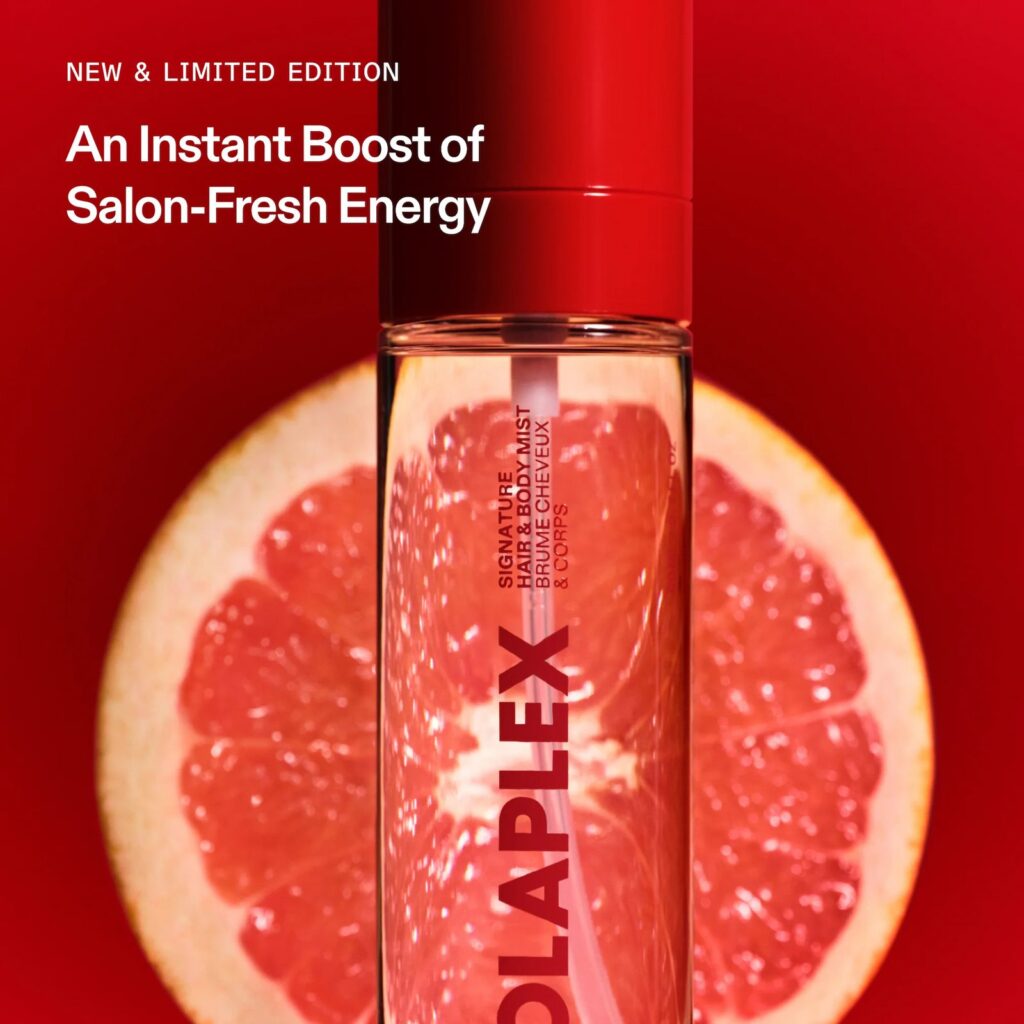
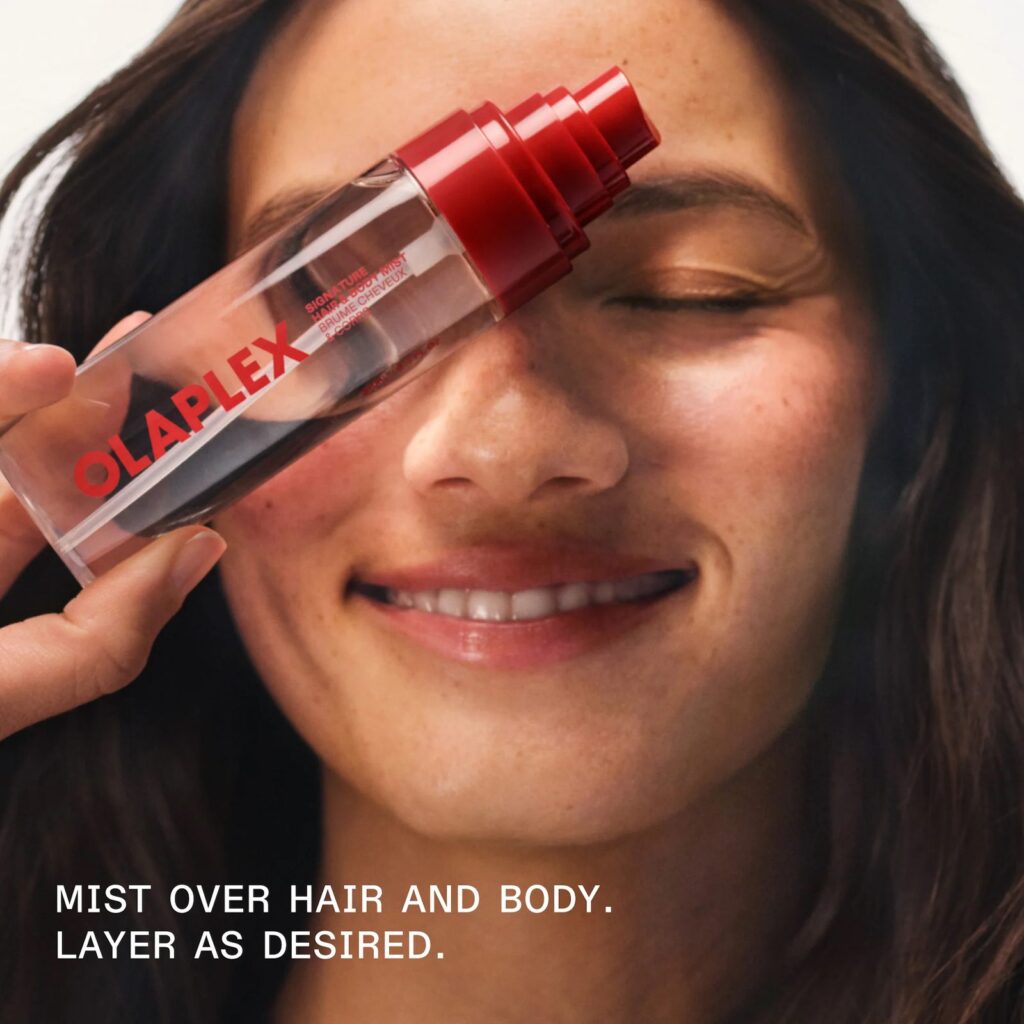
The bond-repair brand entered fragrance in June 2026 with a $28 Signature Hair and Body Mist built around the grapefruit-and-mint scent of its hero No. 3 Perfector, and it said outright the product was created in response to customer demand, per Cosmetics Business. In other words, customers were already asking to smell like the product. That’s the easiest category extension in the world.
NYX
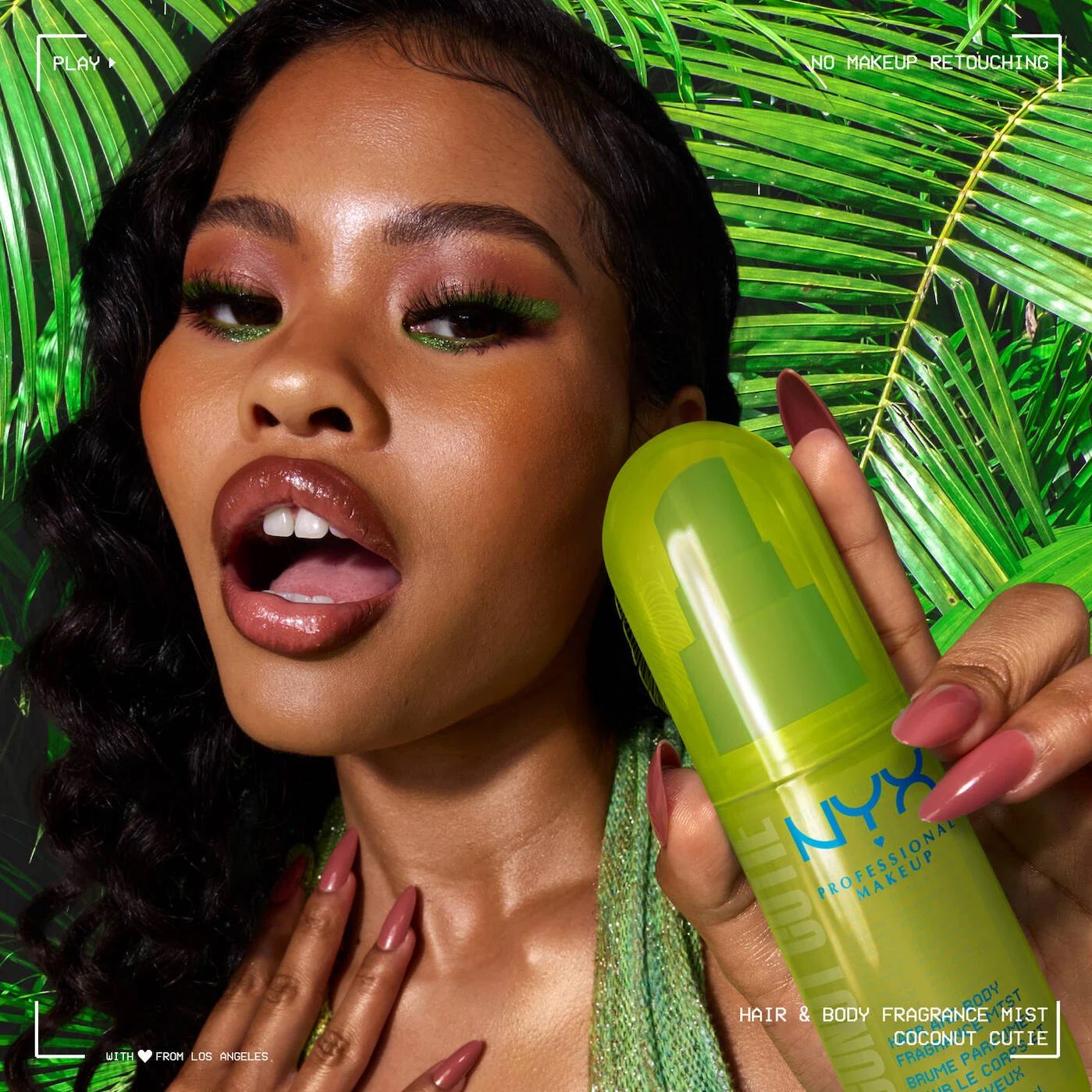
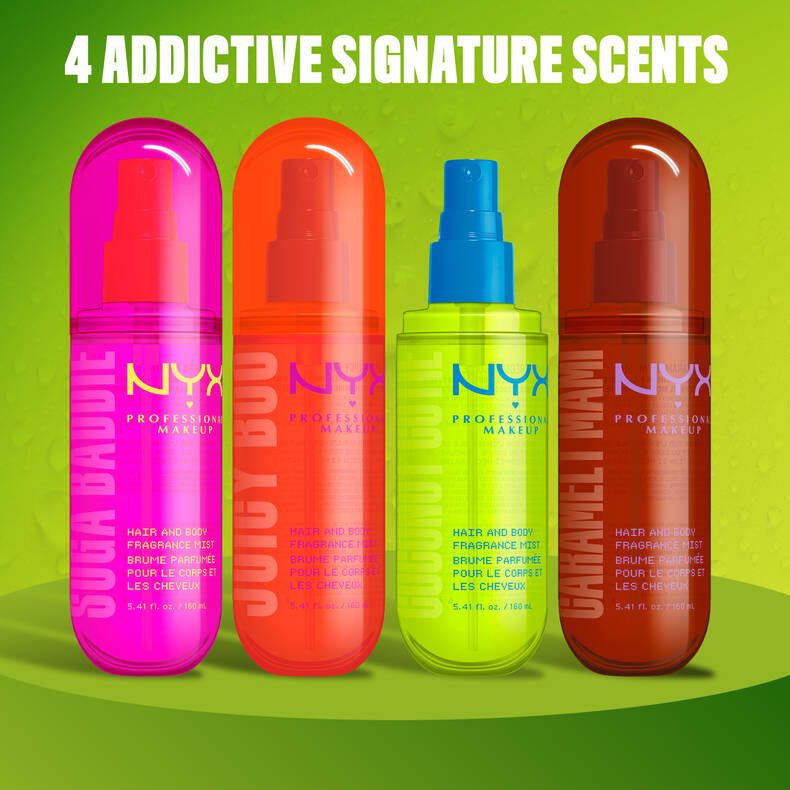
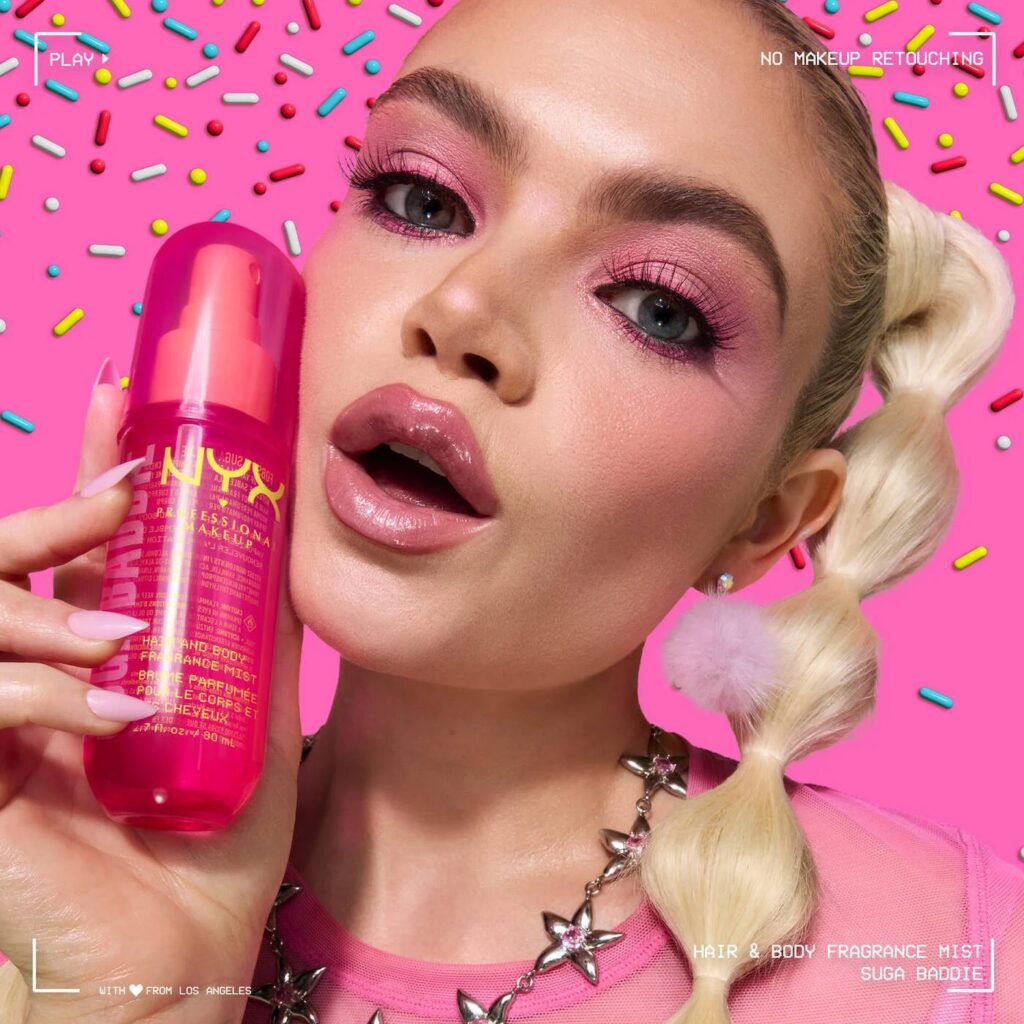
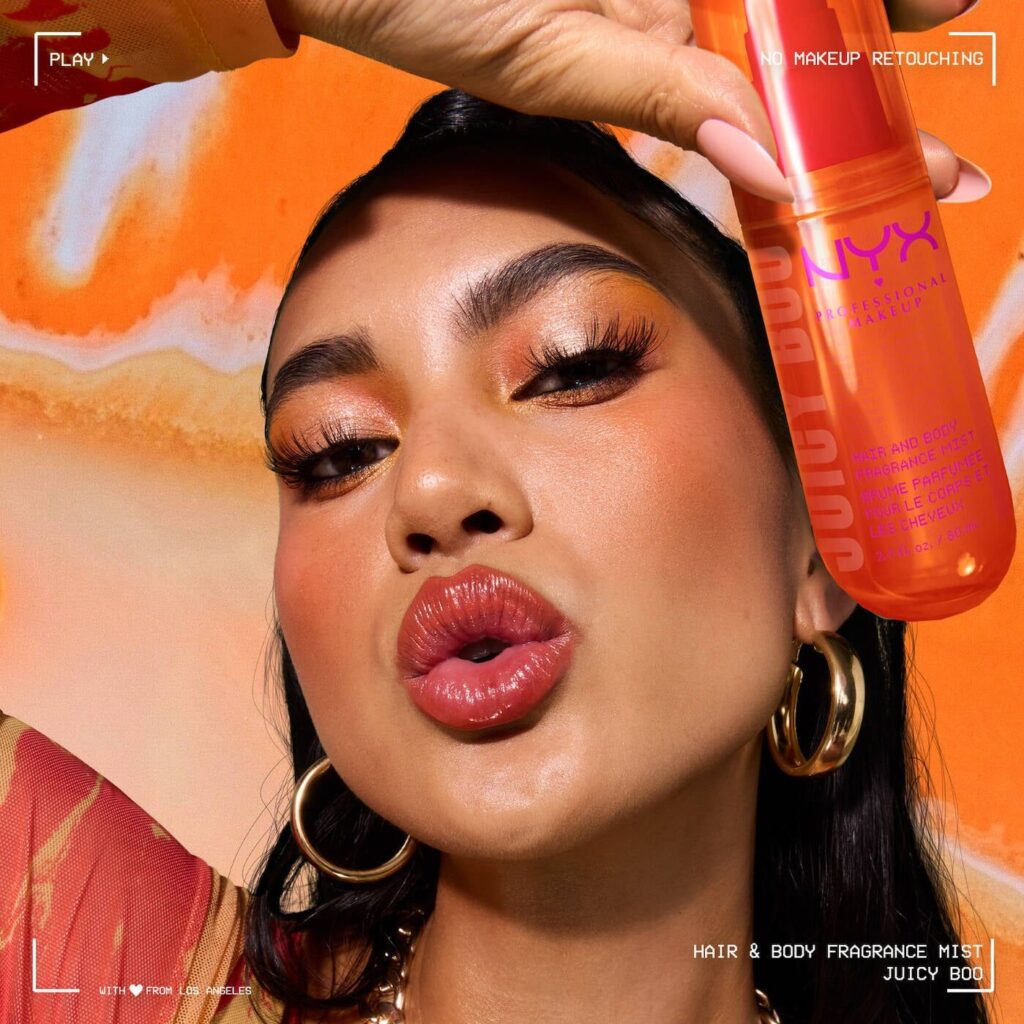
The L’Oréal-owned makeup brand went furthest, launching its Fat Oil Body Collection and $15 fragrance mists, its first move beyond cosmetics in a 27-year history, per WWD. Global brand president Denée Pearson framed the logic exactly right: “It’s not like you’re only a makeup brand or only a skincare brand. It’s more like, what do you stand for, and where do you have the credibility to enter next.” NYX’s answer was artistry, which travels from face to body cleanly.
Gisou
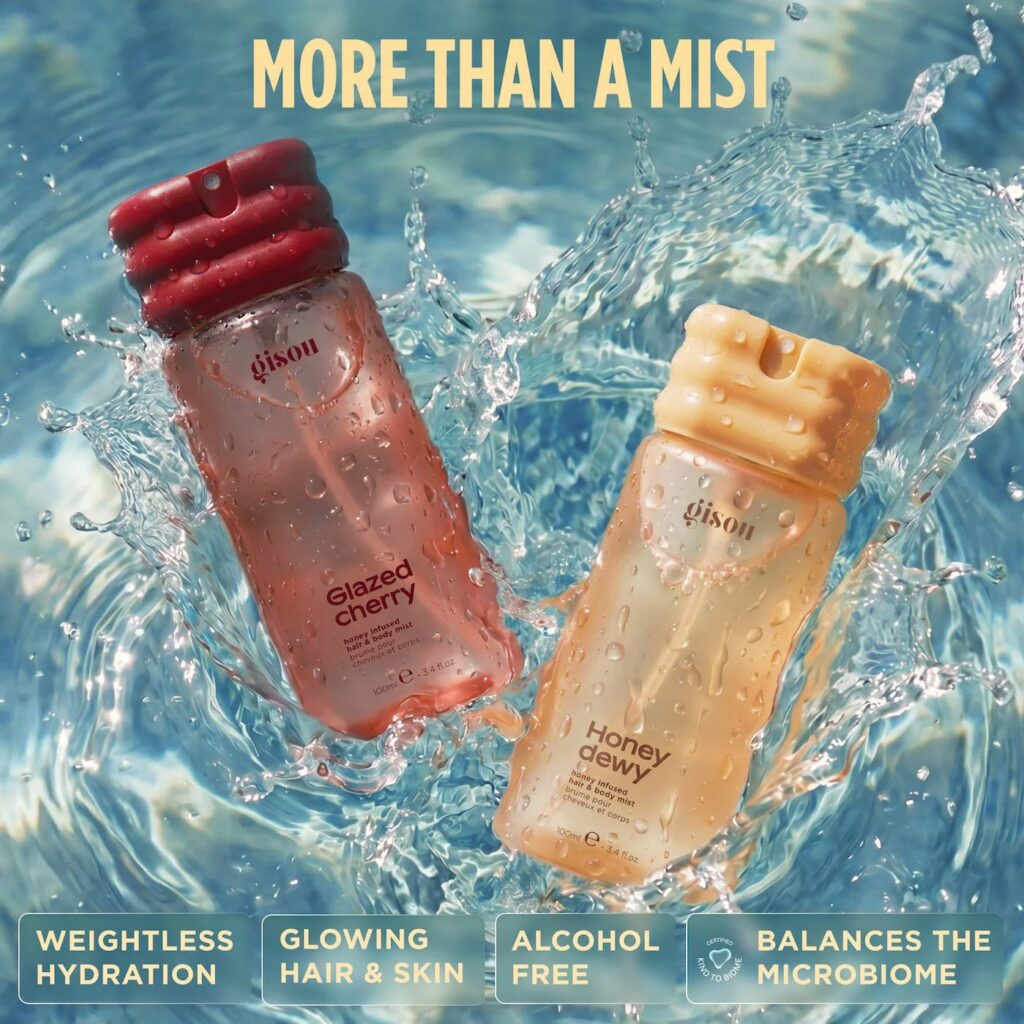
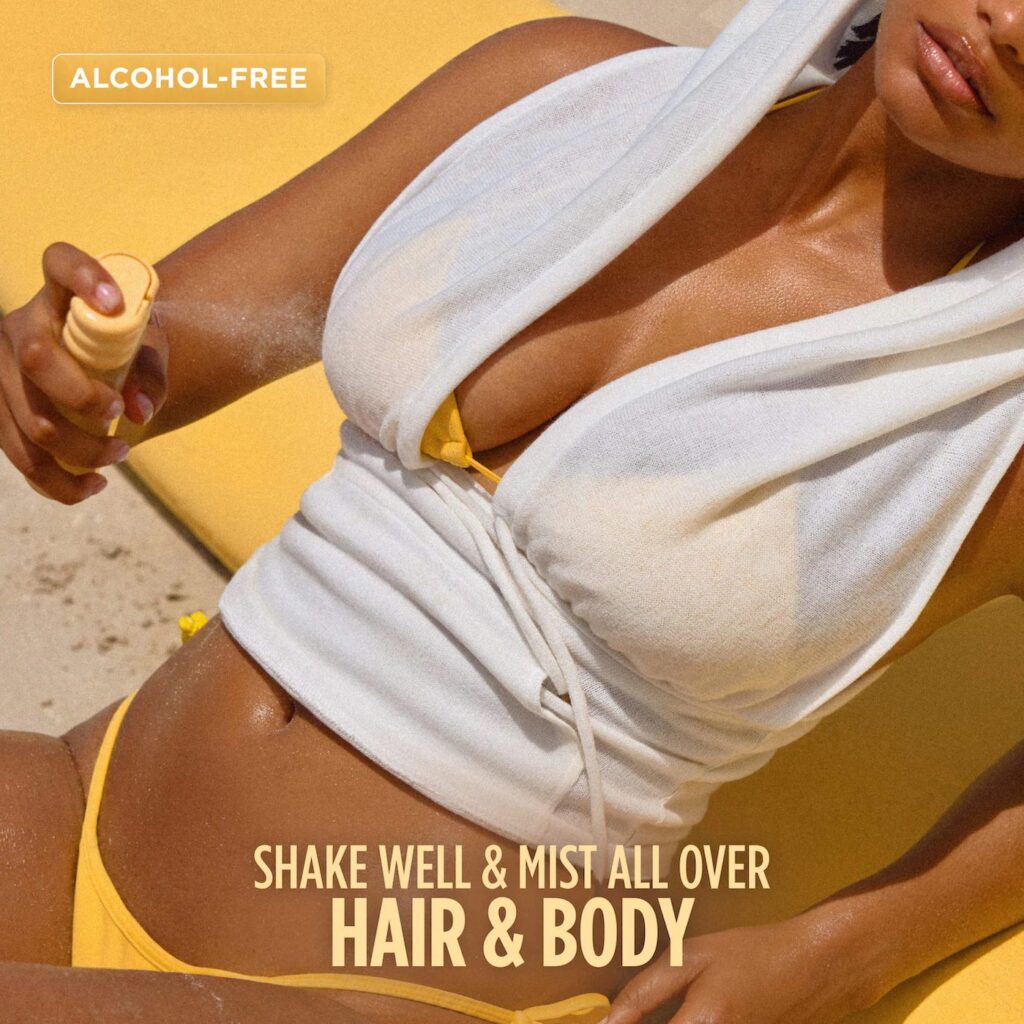
Extended its honey-infused hair-perfume equity into full Honey Dewy and Glazed Cherry hair-and-body mists, per Cosmetics Business. The scent was already the brand’s signature; the mist just let customers wear more of it.

Amika
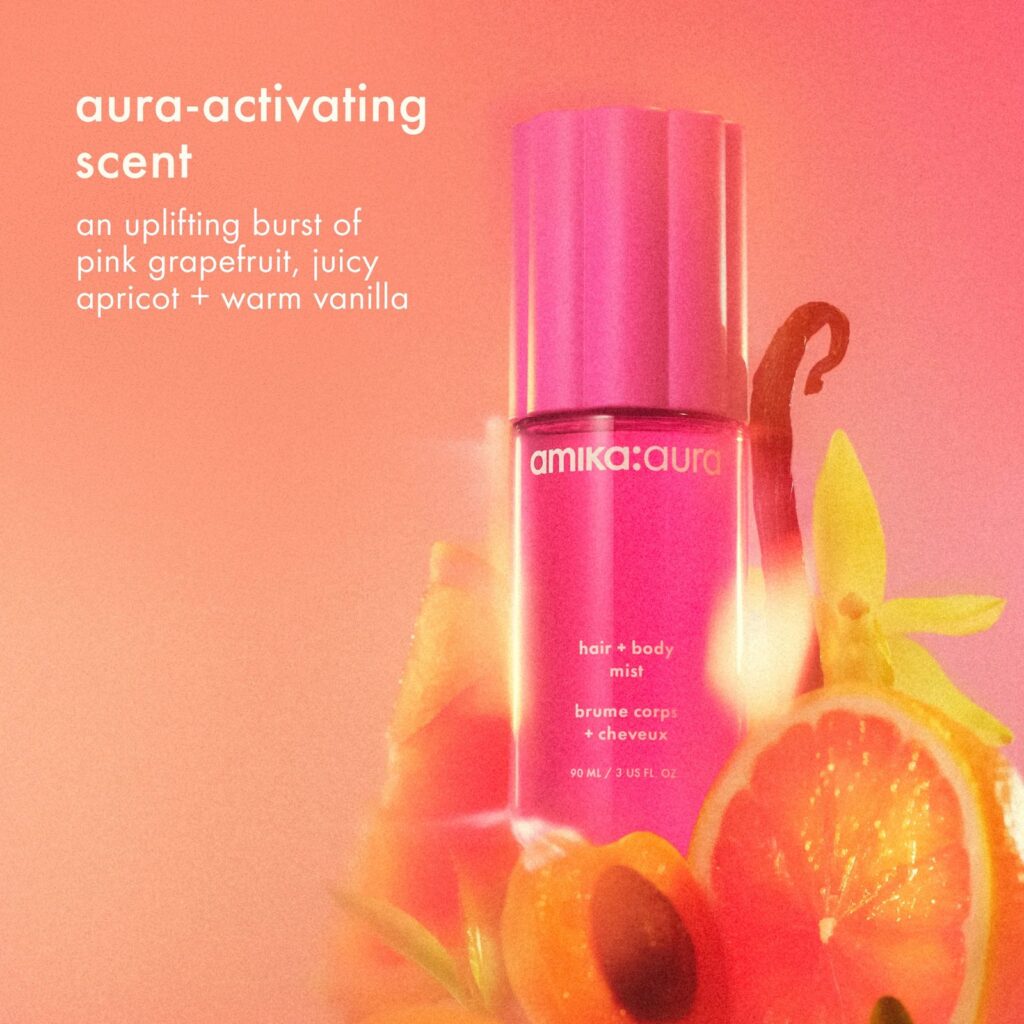
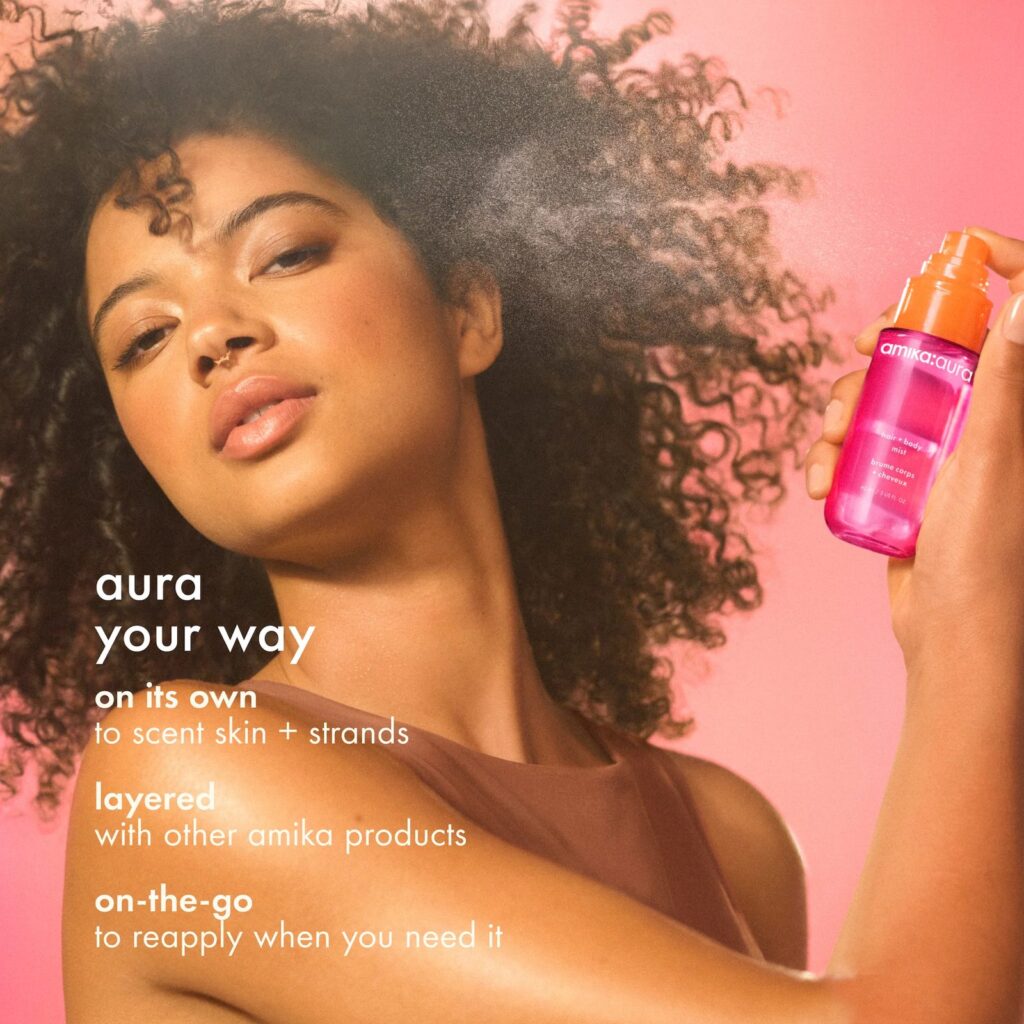
Re-entered fragrance with a hair-and-body mist it called the “most requested product” in the brand’s 18-year history, per Cosmetics Business. Notice the pattern forming: the winning launches answer demand the brand already created, they don’t manufacture it.
Sam McKnight and Arkive
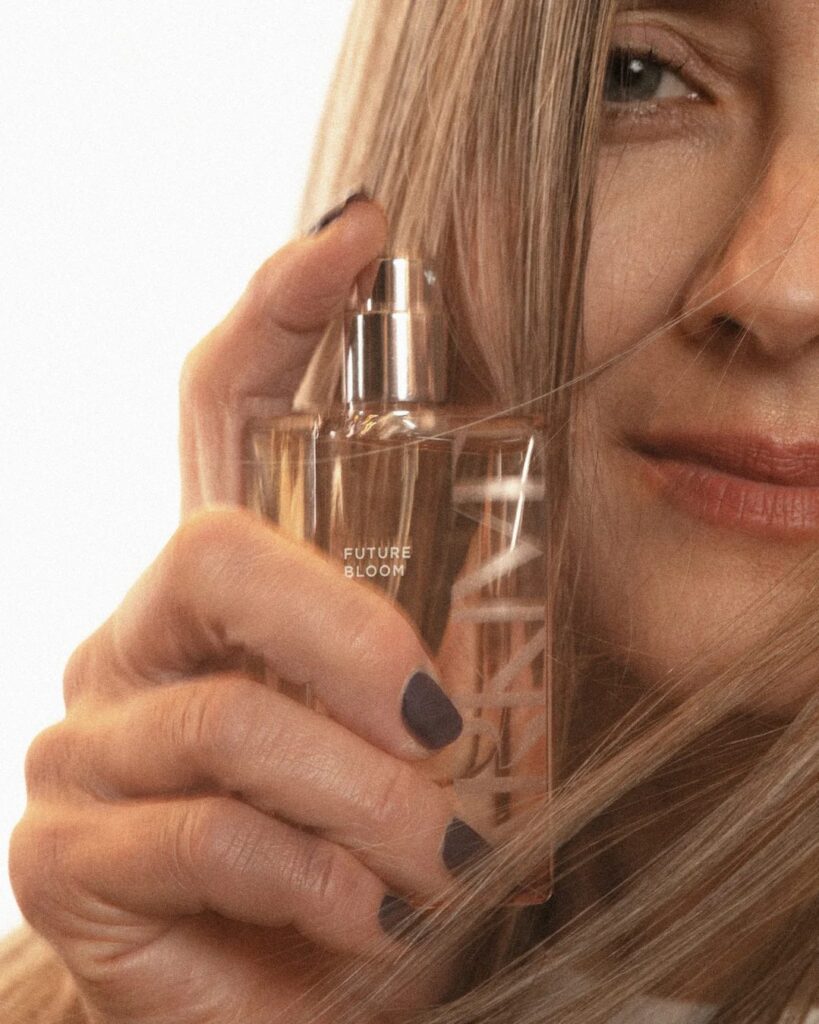
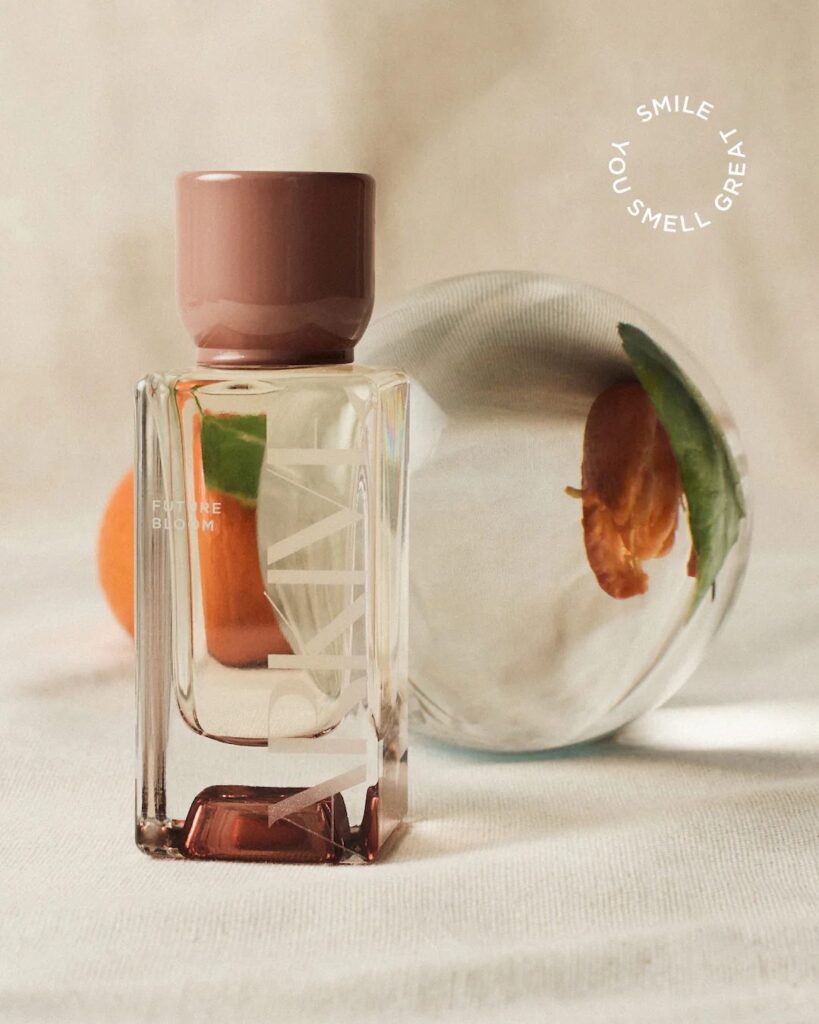
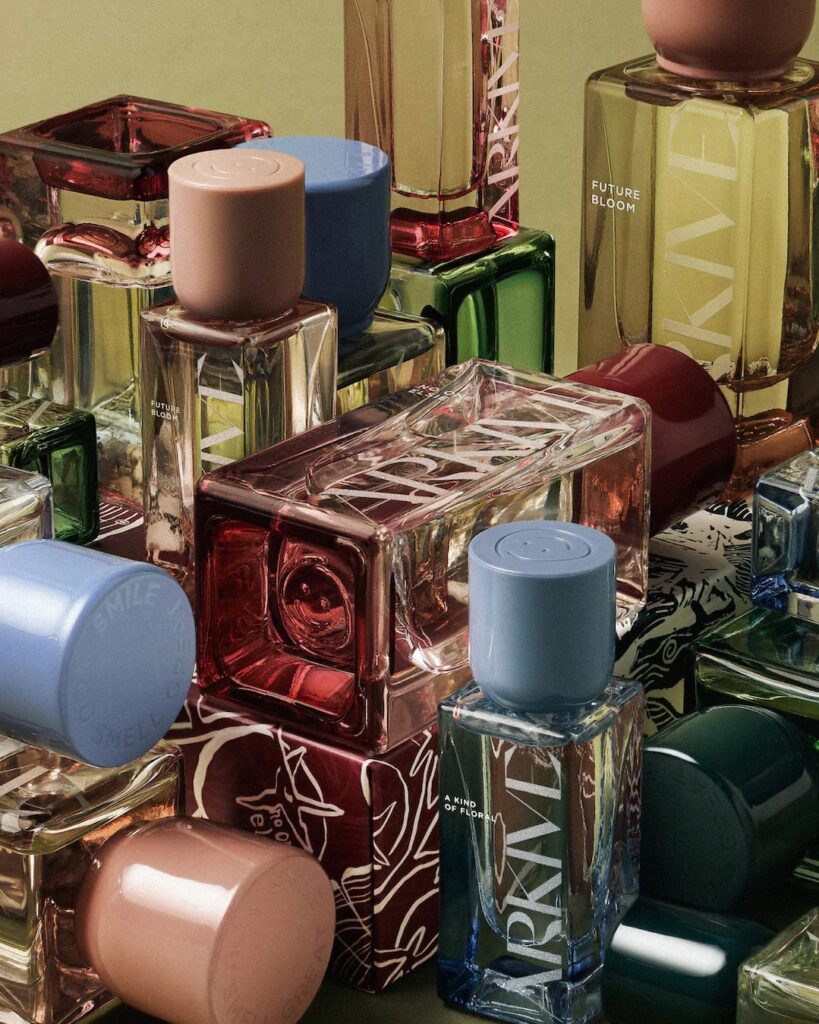
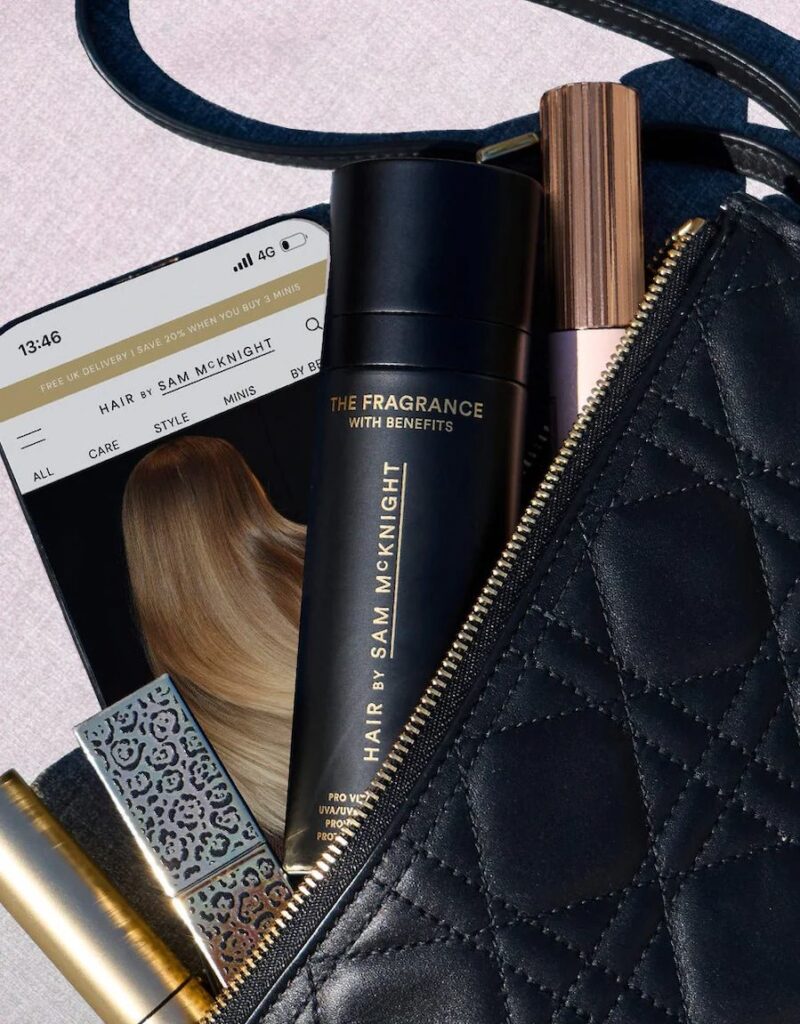
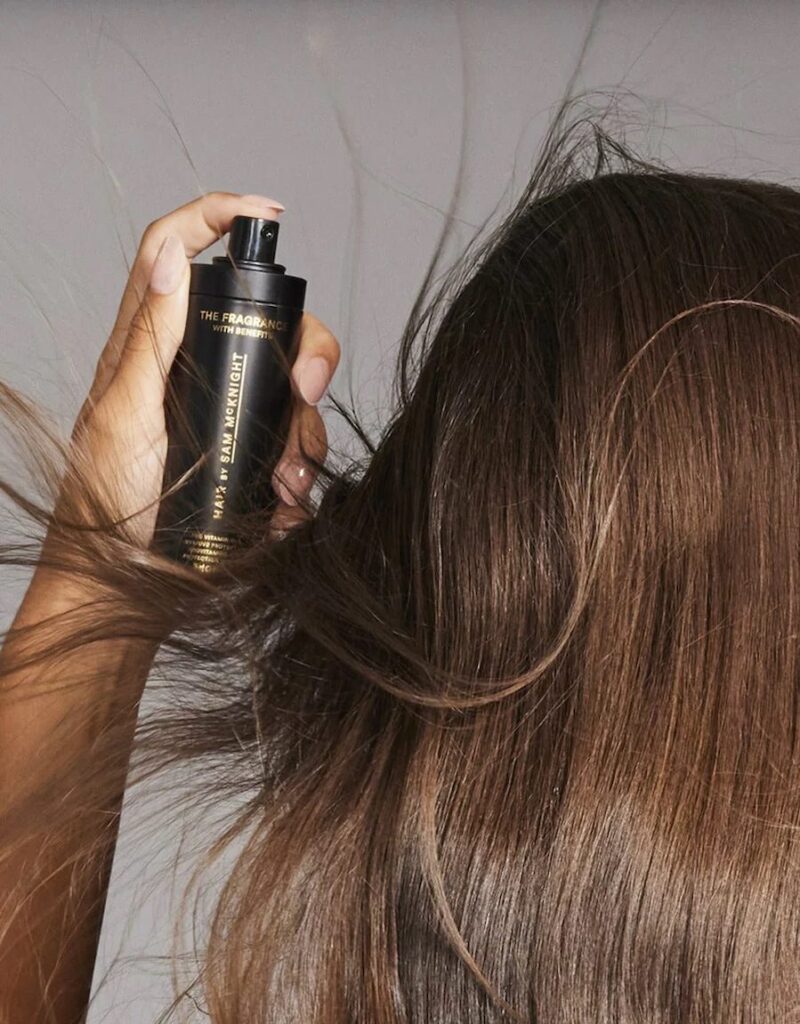
Celebrity-stylist hair brands that both moved into scent, McKnight with a “fragrance with benefits” and Arkive with a mood-boosting, wellness-positioned mist, per Cosmetics Business. The category is now crowded enough that “we made a nice-smelling mist” is table stakes, not a differentiator.

Why It’s Always a Mist
Notice almost nobody launched a $180 eau de parfum. They launched mists, and the format choice is the strategy. A $15 NYX mist is an impulse buy, not a commitment, which is exactly the trial-friendly price Gen Z wants. Better yet, mists get used up far faster than a traditional perfume, so they drive repeat purchase in a way a single well-guarded bottle never does. L’Oréal’s consumer-products chief Fabrice Megarbane called NYX’s launch the group’s first crack at fragrance “in a more accessible, more fun way,” and said the line was already selling particularly well on TikTok, which is the tell: the format is cheap to try, quick to finish, and native to the platform where discovery now happens.
It also undercuts the incumbents that defined the category, L’Occitane’s Sol de Janeiro and PHLUR, on price, per ESM. So the move isn’t just “enter fragrance.” It’s enter at a trial price, in a format that repeats, on the channel where Gen Z shops. Miss any one of those three and you’ve just made an expensive bottle nobody re-orders.
The Good Version and the Desperate One
Strip away the herd and there are really two different moves wearing the same launch press release. The good one extends from brand DNA into an adjacent category where the brand has earned the right to show up. Olaplex sells the scent of a product people already love. NYX sells artistry, and artistry doesn’t stop at the jaw. Gisou and Amika sell a signature customers were literally requesting to wear. In every case the new category is a natural sentence completion, not a non sequitur.
The bad one is the desperation extension: a brand watching fragrance grow 15% and deciding it wants some, with no credible connection between what it’s known for and what it’s now selling. That’s the version that produces a forgettable me-too mist, confuses the customer about what the brand is, and quietly loses money while the founder wonders why the “obvious” category didn’t work. As NYX’s own executives noted, body care is also a way to keep customers engaged with a brand when the core category stalls, but engagement only transfers if the extension feels like the same brand, not a costume.
The test, then, is embarrassingly simple and almost nobody runs it honestly: does your audience already associate you with the thing you’re about to sell, or are you just chasing a number on a growth chart? If a customer would be surprised, delighted, and unsurprised all at once, extend. If they’d be confused, you’re about to fund a very expensive lesson.
A New Category Means a Whole New Visual World
Here’s the operational reality that gets waved through in the strategy deck. Launching an adjacent category isn’t a SKU addition. It’s a whole new visual universe to build from scratch: new product photography, new lifestyle and usage content, new education, new social assets, new paid creative, all of it on-brand and all of it net-new. A hair brand entering fragrance suddenly needs to show scent, ritual, and mood, none of which its existing content library covers. And the growing categories everyone is chasing, body and fragrance, live and die on TikTok, which means the launch doesn’t need a campaign; it needs a content operation feeding creators from day one. This is the line item that turns a “simple” extension into a scramble, and it’s exactly where momentum dies when the visual world isn’t ready.
Run the Credibility Test Before You Order
Before you place the manufacturing order, run this.
1. Trace the Line to Your DNA
Can you finish the sentence “We’re known for X, so of course we’d make Y” without wincing? Olaplex could. If you can’t, stop.
2. Find the Demand You Already Created
The strongest launches, Olaplex, Amika, answered requests customers were already making. If nobody is asking, you’re guessing.
3. Price for the Actual Buyer
Gen Z wants a $15 mist to try on a whim, not a $200 commitment. NYX and the mist wave priced for trial and repeat, not prestige margins.
4. Budget the Visual World, Not Just the Product
Cost the full content build, product, lifestyle, education, social, paid, before you fall in love with the formula. The category is only as strong as the story you can show around it.
5. Plan the Social Launch, Not the Ad Campaign
Body and fragrance discovery happens on TikTok. Line up the creator and content engine before launch, not after the mist is already sitting in a warehouse.
The stampede is real, and so is the opportunity behind it, adjacent categories are growing while cores flatten, and the connecting door is genuinely open. But the brands that walk through it and stay are the ones extending from something they’ve already earned, priced for the customer actually buying, and ready to build a whole new visual world around the thing on day one. The rest are just adding a nice-smelling line item to a P&L and hoping a growth chart rubs off on them. It rarely does.
The hidden cost of any category extension is the visual world it demands: a full, on-brand content build for a category your existing library never covered, ready for a social-first launch. Producing that world, fast and on-brand, is the work Tuple Strategy does, so the new category launches looking like it always belonged to you.