
Pinterest for Jewelry Brands: Photography That Gets Found
It is 11pm and someone is searching “vintage engagement ring inspiration” on Pinterest. They are not buying tonight. They may not be engaged yet. They are building a board for a moment they hope is coming, collecting images that add up to the aesthetic they are planning toward. That single behavior is the thing most jewelry brands get wrong about Pinterest, and getting it right turns the platform into one of the highest-intent, longest-lasting traffic sources you own.
Instagram is right-now entertainment and a product page is ready-to-buy evaluation. Pinterest is long-lead planning, and it behaves less like a social feed than a search engine for the future. The practical consequence is huge: an Instagram post is effectively dead within 48 hours, while a well-optimized pin can keep driving saves and clicks for months, sometimes years, after you post it. You are not chasing a moment of attention. You are planting your jewelry in someone’s future and waiting for the occasion to arrive. For where this fits among your other channels, see the platform-specific photography guide.
The Planning Mindset
When someone opens Pinterest, they are mentally living in the future: planning a wedding, picturing a milestone birthday, assembling a gift list, imagining a wardrobe upgrade. They do not save random pretty pictures. They save images that fit a larger vision they are building, which means your content only succeeds when it slots cleanly into that vision rather than interrupting it.
- Dream wedding boards: complete bridal looks, not a ring floating on white.
- Anniversary and date-night boards: jewelry inside a romantic scene.
- Career and confidence boards: pieces worn in real professional moments.
- Gift-idea boards: jewelry presented with a clear occasion attached.
The mental shift is from selling a product to selling a vision the user wants to remember. A product shot says “here is a ring.” A Pinterest-native image says “here is the life this ring belongs to,” and the second one is what gets saved.
Photography That Earns Saves
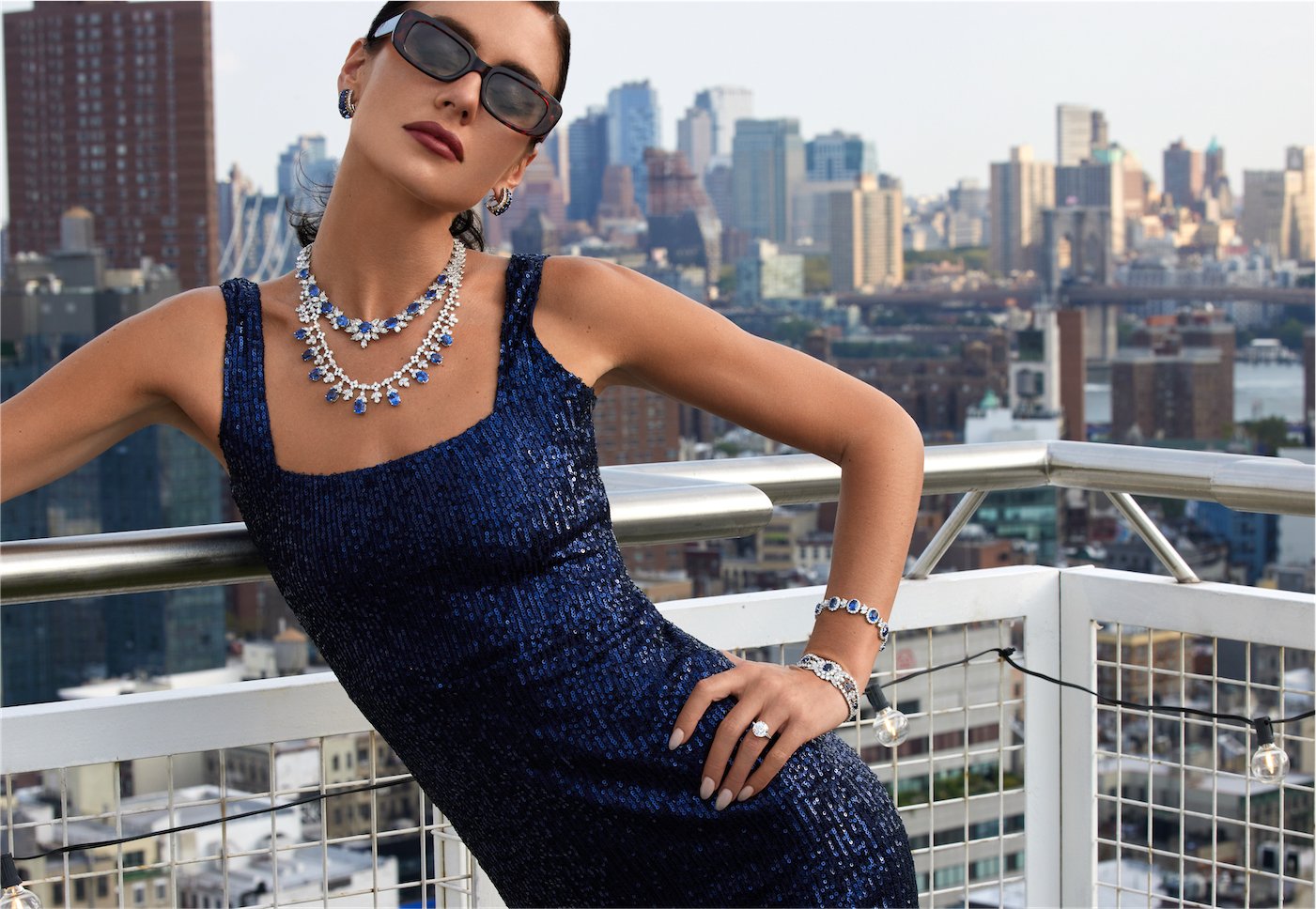
- Lifestyle: the piece inside a full moment, a ring on a bride’s hand with the bouquet, or earrings worn in a sophisticated office. Lands on wedding, career, and occasion boards.
- Still life and flat lay: pieces arranged with flowers, fabrics, and seasonal objects into a mood. Lands on aesthetic and seasonal boards.
- Styled product: strong, board-friendly color palettes and macro detail in pleasing compositions. Lands on color-curated and luxury boards.
The common thread is that Pinterest runs on color harmony and complete scenes. A piece shot for a board has to enhance the board, which is exactly why a bare product on white, the right call on your product page, underperforms here. The same photo can be correct in 1 place and invisible in another, which is the whole reason platform-specific photography exists.
Pinterest is also a volume game in a way Instagram is not. Because a pin keeps working for months and the same piece can live on many different boards, reach is largely a function of how much on-brand variety you feed the platform. The brands that get noticed do not post a handful of pretty pins; they build a deep, varied library, the same necklace shot as a bridal lifestyle scene, a flat-lay, a styled macro, and a short video, each cut to a different board and search. Thin libraries stay invisible here.
Video and Idea Pins
Pinterest video is a growing, under-served format for jewelry, which means it is exactly the kind of gap a smart brand exploits before the rest of the category notices.
The Video Types That Earn a Save
- Creation process. Aesthetic time-lapse from raw material to finished piece, emphasizing craftsmanship.
- Styling. The same pieces taken from day to night, work to weekend, or built into an occasion look.
- How-to. Layering necklaces, stacking rings, care and storage. Saved and referenced later, when the viewer finally owns something similar.
- Explainer. Stones, metals, choosing by skin tone or occasion. Education that gets filed straight into a planning board.
Idea Pins: Multi-Page and Evergreen
Idea Pins are Pinterest’s native multi-page format, and they suit jewelry better than a recycled Reel does. Use them for the content people return to: a how-to on stacking rings, a step-by-step on choosing a setting, a process walk-through from sketch to finished piece. Build them to be read without sound, lead with a cover frame that states the payoff in a few words (“How to Layer Necklaces Without Tangling”), and keep the value evergreen rather than tied to a single sale. A good Idea Pin is not a promo; it is a small, saveable guide that keeps surfacing long after you publish it.
Get the Technical and SEO Right
Pinterest rewards format discipline as much as aesthetics, and this is where the “it is basically a search engine” point stops being a metaphor.
Format and Dimensions
Go vertical, always. Use 2:3 at 1000×1500 pixels for image pins and 9:16 for video. Vertical pins take more screen space and get seen; horizontal pins shrink into irrelevance in the feed. Keep any on-image text large enough to read on a phone, because that is where nearly all of Pinterest is browsed.
Keywords, Titles, and Alt Text
Pinterest reads text, so give it text worth reading. Front-load the keyword in the pin title: “Vintage Oval Engagement Ring Ideas” beats “Our New Collection.” Write the description in the language people actually type, with a reason to save: “Hand-engraved vintage oval engagement ring in yellow gold, an antique-inspired setting for a timeless proposal. Save it to your dream-ring board.” Fill in alt text that plainly describes the image and repeats the core phrase, “vintage oval diamond engagement ring in yellow gold on a bride’s hand,” which helps accessibility and gives Pinterest more to index. Then name your boards as searches, “Bridal Inspiration,” “Everyday Elegance,” “Anniversary Gift Ideas,” not “Our Stuff.” Vague descriptions are invisible descriptions.
Rich Pins and Shopping
Rich Pins pull live price, availability, and description straight from your site, so a saved image stays accurate weeks later. To turn them on, add product metadata (Open Graph or schema.org product markup) to your product pages, then run 1 URL through Pinterest’s Rich Pins Validator to apply it across the domain. For the next step, connect your product catalog as a data source so pieces become taggable, shoppable Product Pins. That is the difference between a pretty picture and a 2-tap path from a saved dream to a placed order.
Cadence and Timing
Pinterest favors fresh pins, new images rather than the same one re-pinned, and it rewards consistency over bursts. A steady handful of new pins each week beats 40 in a day and then silence. And because the platform is planning-led, schedule seasonal content a month or more ahead, while the boards are still being built, not when the season has already arrived. Volume and variety compound here: the more distinct, on-brand images you publish across boards and search terms, the more surface area you have to be found, which is why Pinterest rewards brands that can produce a lot of good content, not just a little.
The Metrics That Matter
Track the metrics that match the platform: save rate, outbound clicks to your site, and conversions attributed back to Pinterest, not raw impressions. Saves are the leading indicator, because a save is someone filing your piece into a real future plan. A pin with 20 likes and 300 saves is a quiet success; a pin with the reverse is a pretty picture going nowhere.
The Mistakes That Flatten a Jewelry Account
| Mistake | Fix |
|---|---|
| Treating Pinterest like a product catalog | Build lifestyle and styling scenes that fit vision boards |
| Posting seasonal content during the season | Publish months ahead, while users are still planning |
| Reusing Instagram or website photography as-is | Shoot vertical, lifestyle-led, planning-minded content |
| Static images only | Add styling, process, and educational video pins |
| Generic descriptions and tags | Use researched, search-matched keywords |
The seasonal-timing mistake deserves a second look, because it is the one that quietly wastes the most effort. Jewelry is planned and gifted, so the buyer is researching weeks or months before the occasion. Posting your holiday collection in mid-December is like opening a Christmas-tree stand on December 26: technically festive, commercially pointless. Pinterest content for a season should be live well ahead of it, while the boards are still being built.
Pinterest as the Top of the Funnel
Pinterest introduces people to your brand during their planning phase, which makes it the natural top of your funnel, so connect it deliberately to everything downstream. Point new discoverers toward your Instagram for the behind-the-scenes relationship that converts followers into customers. Use styling guides and care tips to drive newsletter signups, then keep the conversation going in email. Design landing pages that match the aspirational tone of the pin, because traffic that arrives dreaming and lands on a sterile spec sheet bounces. And where Pinterest’s own shopping features fit, use them to shorten the distance between a saved dream and a placed order.
The efficiency win here is real: the same lifestyle imagery that performs on Pinterest can be repurposed into email campaigns and blog content, so a single planned shoot feeds 3 channels. The brands that find Pinterest “too much work” are usually the ones shooting for it separately instead of folding it into 1 thoughtful session.
Plant Seeds, Then Harvest
Pinterest is the 1 platform where you are not fighting for immediate attention. You are placing your jewelry inside someone’s future plan and letting the occasion do the closing. The brands that win are not posting prettier pictures than everyone else; they are building complete lifestyle visions that people save, plan around, and eventually bring to life. Serve the planning mindset, get the vertical format and the keywords right, and Pinterest becomes a steady supply of high-intent buyers who arrive already certain about what they want. Patience is the cost. Compounding traffic is the payoff.
Turning Volume Into an Advantage
The catch in all of this is production. Pinterest rewards a deep, varied, on-brand library, and shooting dozens of distinct lifestyle scenes, flat-lays, styled details, and videos for every piece and every season is more than most jewelry teams can produce. The usual fallbacks, recycling the same few photos or churning out generic AI slop, are exactly what the platform buries. This is the gap Tuple Strategy closes: we produce on-brand visual content at the volume and variety Pinterest rewards, so your catalog becomes a deep library of pins that keeps working for months instead of a thin one that stalls. If that is the presence you want, see how we can produce your visual content at scale.