
The eCommerce Trends Reshaping Jewelry Retail in 2026
The way people buy jewelry online is changing as fast as what they buy. The brands meeting the new expectations are winning the considered, high-trust sale; the ones offering a 2019 experience are losing it without knowing why.
Today’s jewelry customer researches on a phone, expects to see a piece on her own hand before committing, moves between social feeds and store visits without a second thought, and assumes the whole experience will be smooth. Keeping up with these shifts is no longer optional. This piece is about how jewelry buying itself is changing; for the channels that reach those buyers, see how to promote a jewelry brand in 2026. Here are the shifts reshaping jewelry retail, and what to do about each.
The Blended Online and Offline Journey
The biggest shift is that online and offline stopped being separate. Customers research online and buy in store, or handle a piece in store and buy online later, or loop through both several times before deciding. They expect one experience across every channel, with consistent information, pricing, and service whether they are on your site, your Instagram, or in your showroom. Treating digital and physical as 1 connected journey rather than rival channels is now the baseline, part of the broader shift in 2026’s jewelry consumer trends. The jeweler who connects both captures the considered buyer who moves fluidly between them; the one who runs them as silos loses her in the gap.
Virtual Try-On and Rich Visual Detail
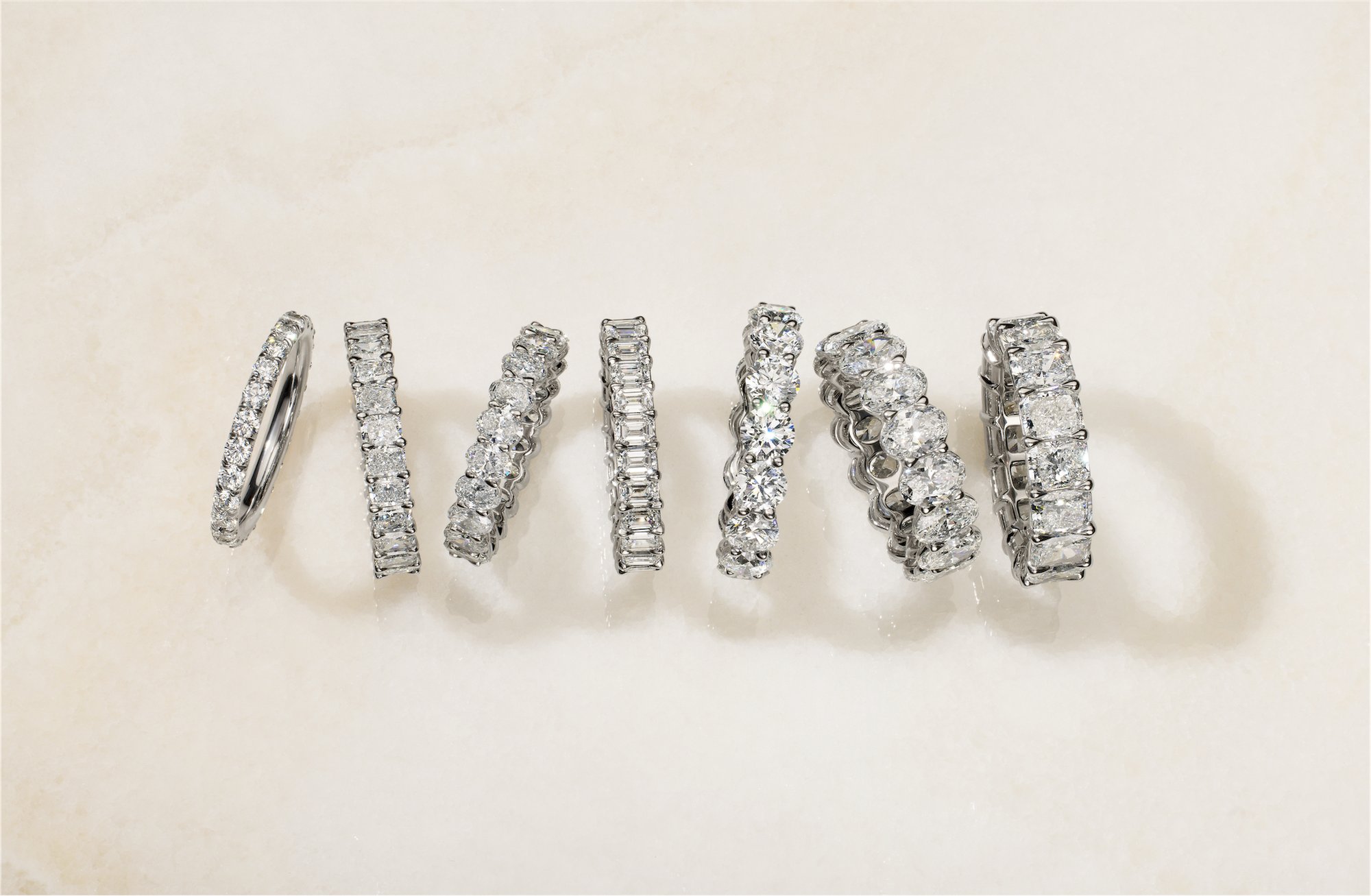
Technology is closing the oldest gap in online jewelry: not being able to see or feel the piece. Virtual try-on lets a customer see a ring or a pair of earrings on herself, and it is no longer experimental. Brilliant Earth offers a virtual try-on for engagement rings, and Kendra Scott has run AR try-on for earrings since 2020; both aim at the same “how would this look on me” doubt that stalls the cart. Around the try-on, detailed visual content (360-degree views, high-resolution zoom, video that shows a stone throw light in motion) gives a confidence a flat photo never could.
Why the Production Standard Decides This One
The catch is that rich visuals only help when they are honest and excellent, because a cheap 360 or a misleading try-on manufactures returns instead of preventing them. That is why the production standard for this imagery matters so much, and why it is its own discipline in jewelry product photography. Interactive, high-detail visuals are becoming the expectation rather than the edge, and the jewelers who shoot them well pull ahead of the ones still posting a single flat studio shot. The payoff runs in both directions: better visual detail lifts conversion by answering doubt before it stalls the sale, and it lowers returns by ensuring the piece that arrives matches the one on screen, which protects the margin a discount-free jewelry business depends on.
Social Commerce and In-App Discovery
Social platforms are increasingly where jewelry is both discovered and bought. Shoppable posts, in-app checkout, and livestream selling shorten the path from inspiration to purchase, letting a customer go from admiring a piece to owning it without leaving the app. The scale of the shift is real: TikTok Shop alone reached roughly $15.8 billion in US GMV in 2025, up 108% year over year and about 18% of all US social commerce, per eMarketer. That figure spans all categories, not jewelry alone, but the direction is unmistakable, and for a visual, aspirational category jewelry sits squarely in its path. The brands that build selling into their social presence, rather than treating social as a billboard separate from commerce, capture demand at the moment of desire.
Live Selling Enters Jewelry
The newest edge of social commerce is live selling, and it suits jewelry unusually well. A livestream lets a host hold a piece to the light, show its true scale on a hand, answer “is that stone really that color” in real time, and close the sale in the moment, which addresses the exact doubts that stall a considered jewelry purchase on a static page. The format has grown into a real industry rather than a novelty, and for a jeweler the practical entry is low: a trunk-show-style live on Instagram or TikTok, or a slot on a live-shopping marketplace, tests whether your pieces sell better with a person demonstrating them than with a photo doing the work alone. For many jewelers the answer is yes, because demonstration is exactly what the category has always relied on in the showroom.
Mobile-First and Flexible Payment
Most jewelry browsing now happens on phones, so a mobile-first experience is essential, and speed is the hidden lever: in Google’s Deloitte-run “Milliseconds Make Millions” study, a 0.1-second mobile speed gain lifted retail conversion 8.4%. A slow, image-heavy jewelry site loses the phone shopper before it even renders.
BNPL Reframes the Price
Payment expectations have shifted alongside the device. Buy-now-pay-later options like Affirm and Klarna, which split a high-ticket purchase into manageable installments, have moved from novelty to standard in fine jewelry, reframing an intimidating price into an approachable one without a discount that damages your margin or your positioning. Meeting customers on mobile with a fast, flexible path to purchase removes the practical barriers that lose ready buyers at the last step.
Personalization and AI
Customers increasingly expect an experience tailored to them: relevant recommendations, content suited to their taste, communication that reflects who they are. AI and disciplined use of first-party data make this possible at scale, helping a jeweler guide each buyer toward the right piece and stay relevant across a long, considered journey that can run from a first gift to an engagement to an anniversary. Personalization also answers the “which one is right for me” question that looms large in a high-consideration purchase. The brands using their data to make the experience feel individual, rather than blasting one generic promotion to everyone, build the relevance that converts and the familiarity that retains.
The Considered-Purchase Difference
Personalization matters more in jewelry than in most categories because the journey is so long and so emotional. A shopper researching an engagement ring may return a dozen times over 2 months, and a brand that remembers where she left off, surfaces the styles she lingered on, and follows up by email at the right moment turns a cold catalog into something that feels like a knowledgeable salesperson who recognizes her. That is the showroom relationship rebuilt in data, and it is exactly what the anonymous, one-size-fits-all jewelry site fails to offer. The tools to do it (a solid email platform, a customer-data setup, AI-driven recommendations) are within reach of an independent brand, and the payoff is a customer guided to the right piece rather than left to talk herself out of the purchase.
Where to Start When You Cannot Do It All
No independent jeweler can adopt all of this at once, so sequence it by what fixes the biggest leak in your specific funnel. If your traffic is healthy but your site converts poorly, start with mobile speed and rich product visuals, because those touch every visit and directly answer the doubts that stall the cart. If you convert fine but few people find you, the social-commerce and discovery shifts matter most, since that is where new buyers now surface. If your problem is high-ticket hesitation, lead with BNPL and virtual try-on, the 2 levers aimed straight at the price and fit objections. And if you already have a loyal base, personalization and the blended online-offline experience are what turn 1 purchase into a lasting relationship. Diagnose the leak first, then adopt the trend that plugs it, rather than chasing all 5 because they are in the headlines.
The Shifts Most Jewelers Miss
The gaps are consistent, and each one hands a customer a dated experience. Treating online and offline as disconnected instead of 1 journey. Relying on flat photos while competitors offer try-on and rich visual detail. Ignoring social commerce and the discovery-to-purchase path it now enables. Neglecting mobile speed, where most browsing happens, or omitting the financing options buyers expect. And failing to use data for the personalization customers increasingly assume as normal.
Keep pace by connecting online and offline into 1 journey, adopting virtual try-on and rich visuals, building selling into social, going mobile-first with flexible payment, and personalizing the experience. Every one of these shifts serves the same goal: making the considered, high-trust jewelry purchase as easy and confident online as it has always been in the showroom. To build the site that delivers all of it, see how to build a jewelry website that converts.