

Nanushka’s Instagram Playbook: How a Quiet-Luxury Brand Built Desire, Frame by Frame
Picture one frame from the RS21 lookbook: a beige trench, a stone wall behind it, film grain softening the edges, the model caught in half-turn as if someone had just called her name. No logo, no caption, no product callout. You still know whose it is. That recognition is the whole case for Nanushka’s Instagram, and it came from a system, not from a budget.
As of fall 2026, Nanushka has closed its own stores and is reported to be in serious financial difficulty. That is a business story, and this article does not judge it. For years the feed made the Budapest-based brand recognizable well beyond Hungary, while stores, wholesale terms and cash sit in a different layer entirely, one a grid cannot touch.
Nanushka is one of 15 labels in our Instagram brands roundup. This is the slower look: six parts of its visual system, frame by frame, and a way to run the same check on your own feed.
Nanushka’s Instagram Strategy: One Story, Told in Every Frame
The feed holds together because it tells one story and refuses to wander off it: modern bohemian in a quiet-luxury register. Travel, comfort, nature, warm stillness. Everything below varies that one idea.
A Clear Brand Mission: The Modern Bohemian Ethos
Nanushka designs for the modern bohemian: someone who values exploration, creativity and authenticity, and wants clothes with intuitive function. The brand’s framing is travel. Somewhere new, you notice more, you are more open, and comfort becomes the first requirement. The feed is built on that mood.
See what that does to the product. The feed does not sell a coat; it sells the state of being on the road, and the coat happens to be there. The garment sits second, behind the light, the place and the posture.

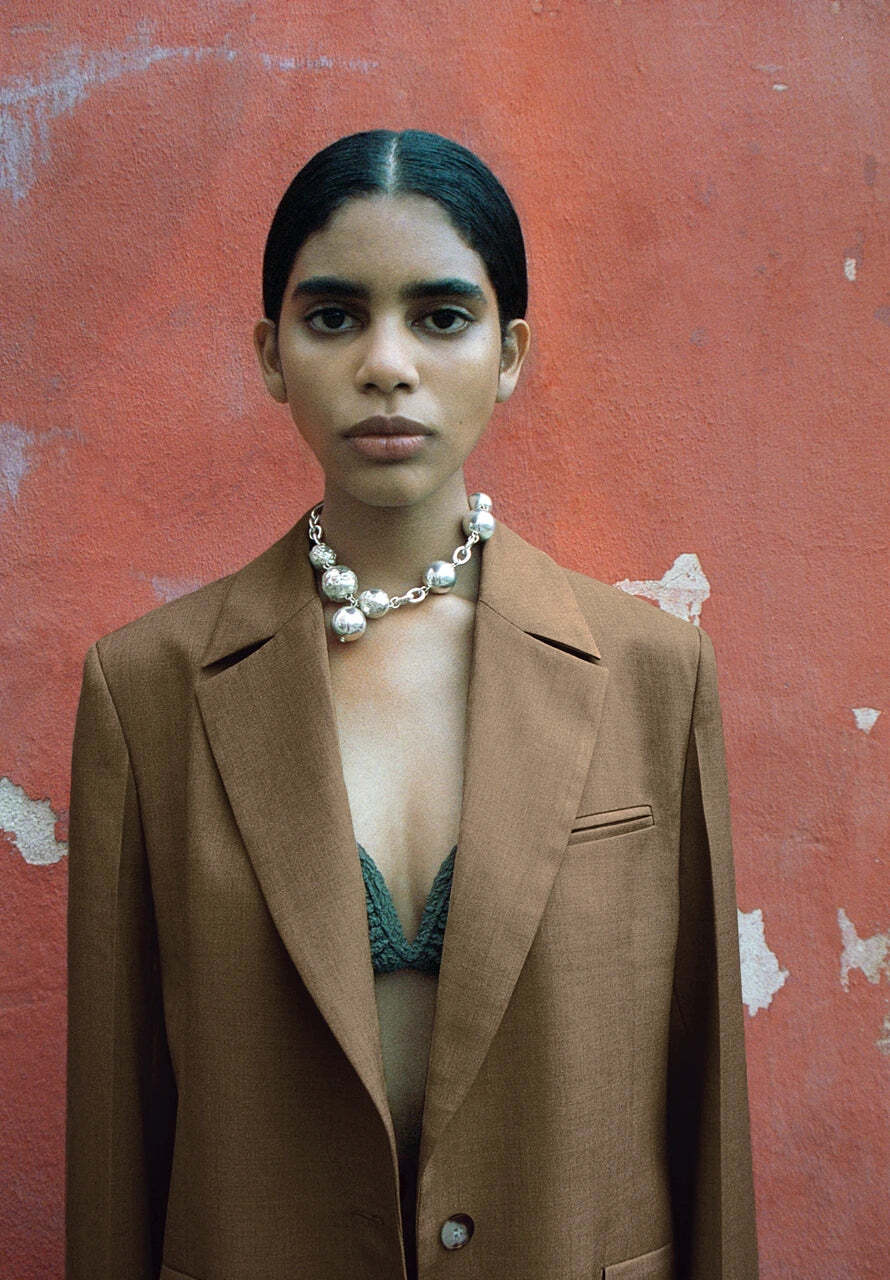
In the frame above, check where your eye lands first. The setting and the ease of the pose arrive before the cut does: feeling first, fabric a half-second later.
Nanushka’s Instagram DNA: Sustainability, Minimalism, and Cultural Fusion
The feed rests on four pillars, and each one shows up as a visual habit rather than a slogan.
Sustainability. The brand’s commitment to premium quality and less-is-more minimalism reads as restraint on the grid: few pieces per frame, no styling pile-ons, plenty of air around the figure.
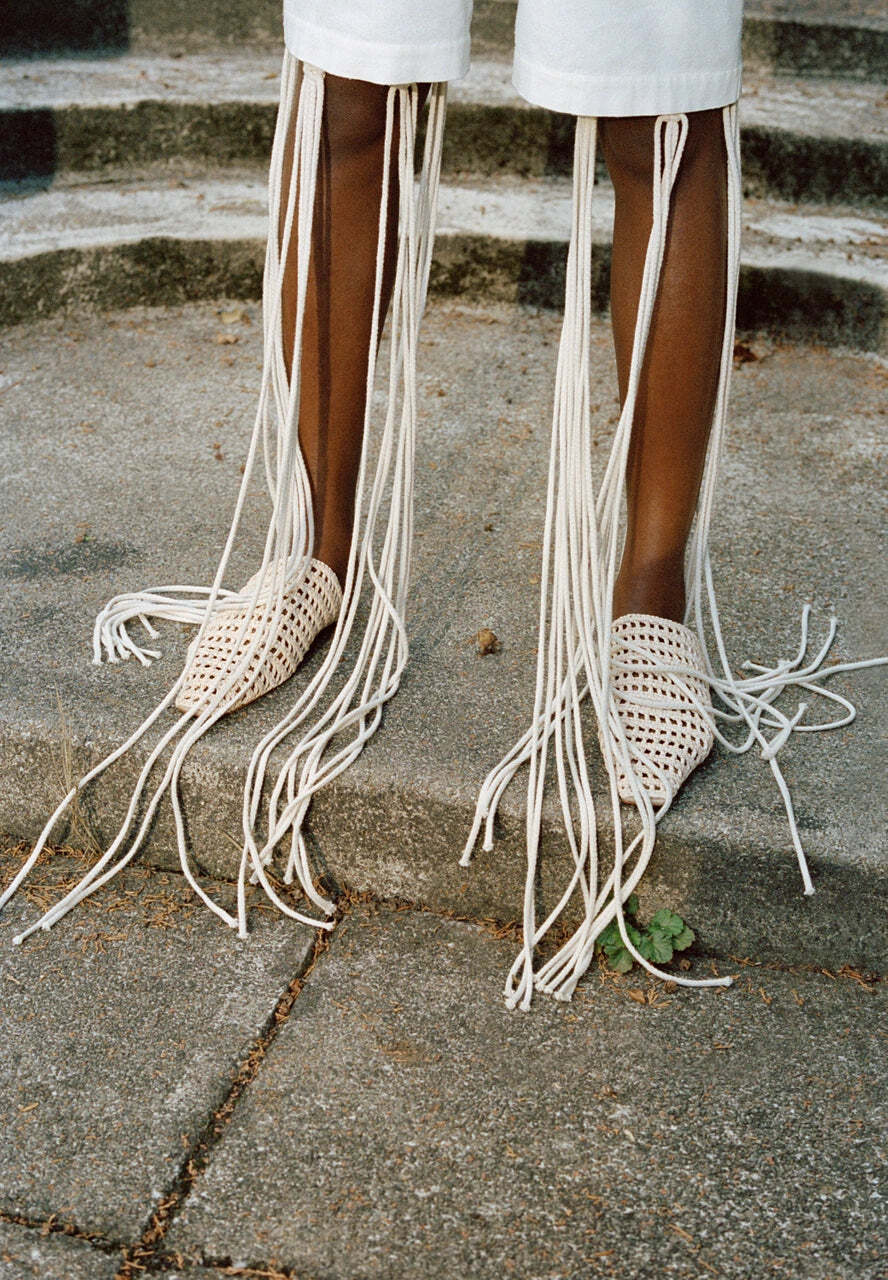
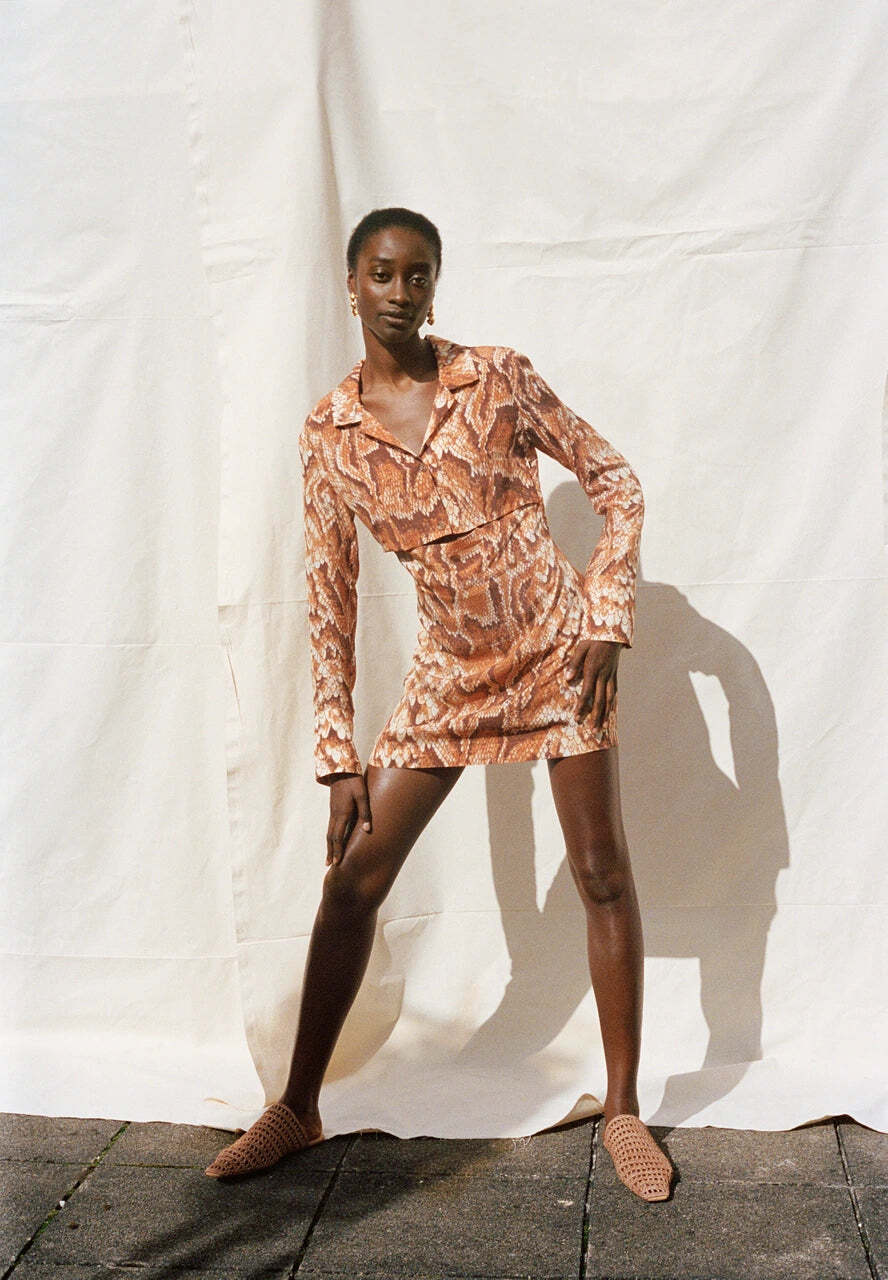
Bohemian Spirit. The visuals are chic and comfortable at once, built around a day-to-night ease. The same relaxed silhouette sits on a sandy path in one frame and a city sidewalk in the next.
Hungarian Heritage. Hungarian craftsmanship meets Eastern and Western influences, and the result is global reach without a flag waved. It lives in texture and detail, not in captions about origin.
Contemporary Trends. Nanushka blends timeless shapes with current ideas, borrowing a trend’s mood while keeping the same earthy palette and the same unhurried styling.

Engaging the Right Audience: Connect With Their Values
The Nanushka follower prioritizes mindfulness, authenticity, creativity and self-expression, and expects the brands she follows to feel genuine, a high bar on a platform built on polish.
The feed clears it with materials rather than adjectives. Natural settings stand in for the word “mindful.” An earthy palette stands in for “authentic.” Captions read like a note written on the road, personal and a little reflective, not like copy written for a campaign deck.
Visual Aesthetic: Natural, Nostalgic, and Bohemian
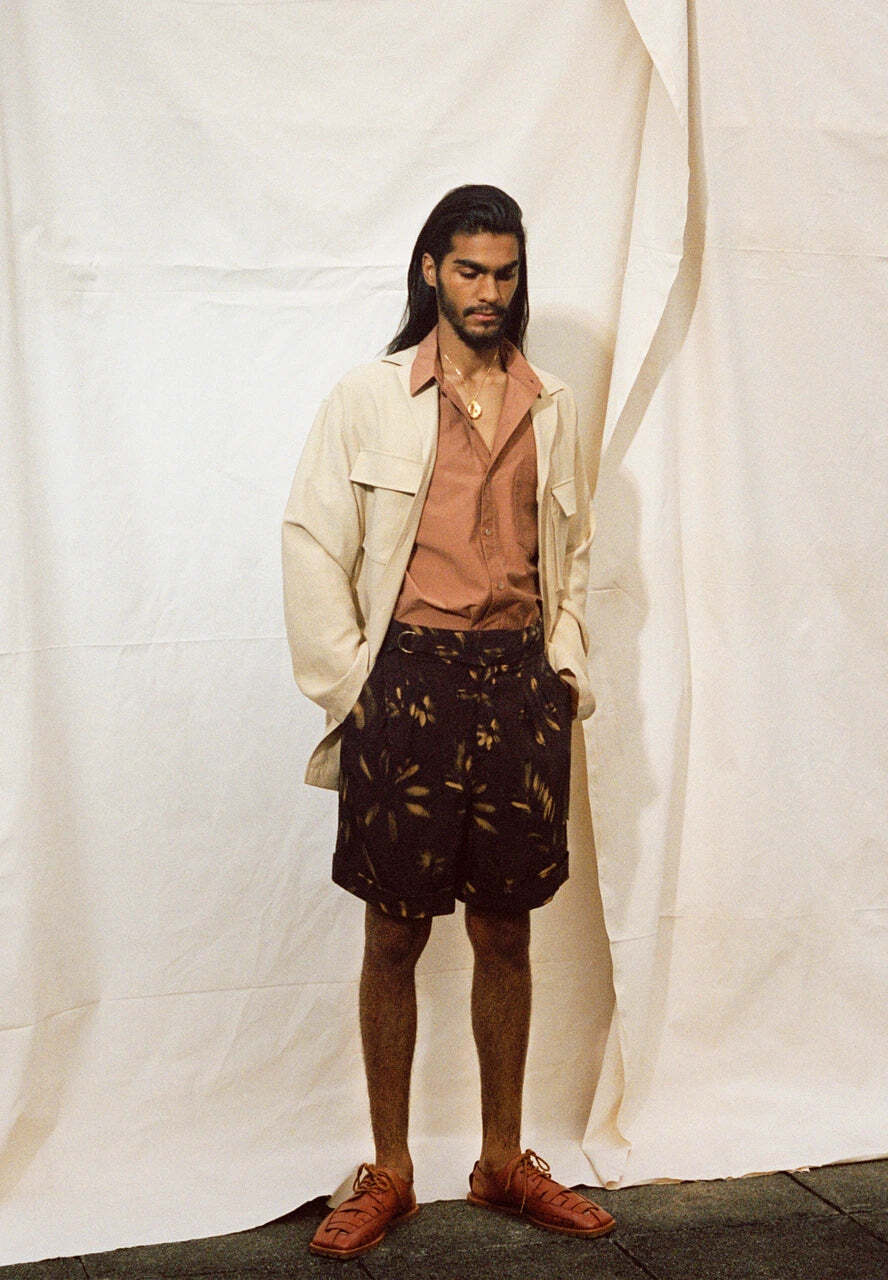
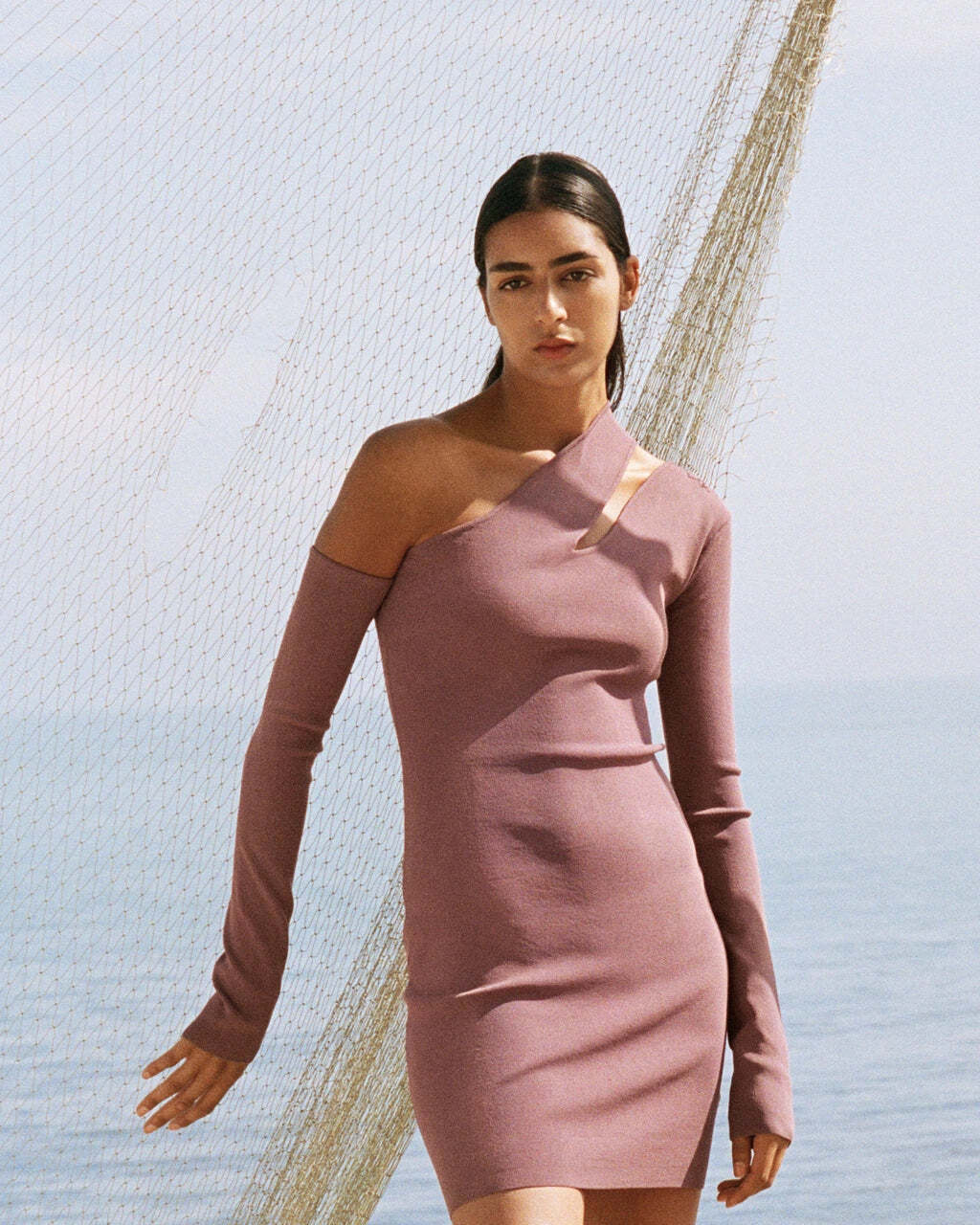
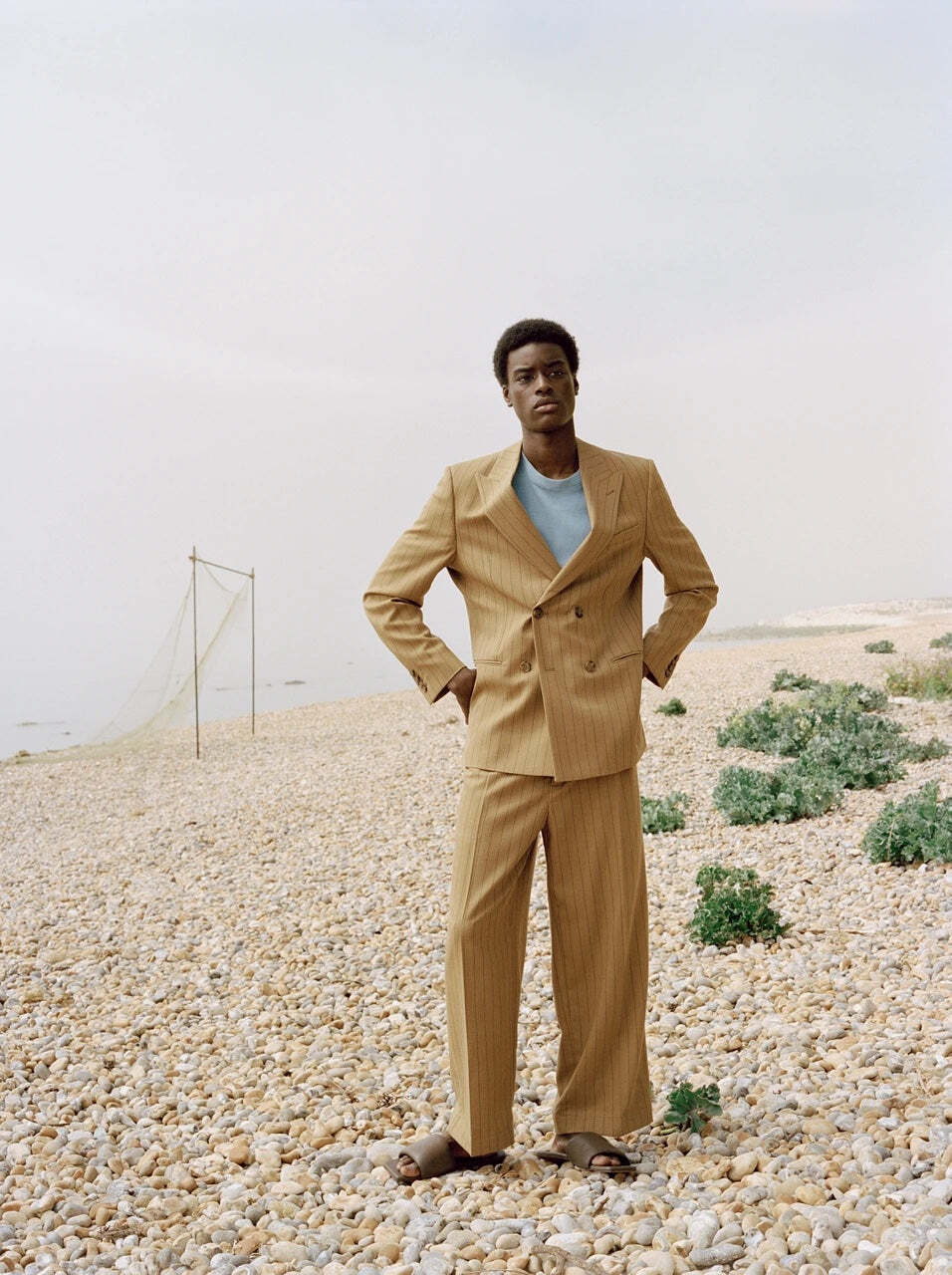
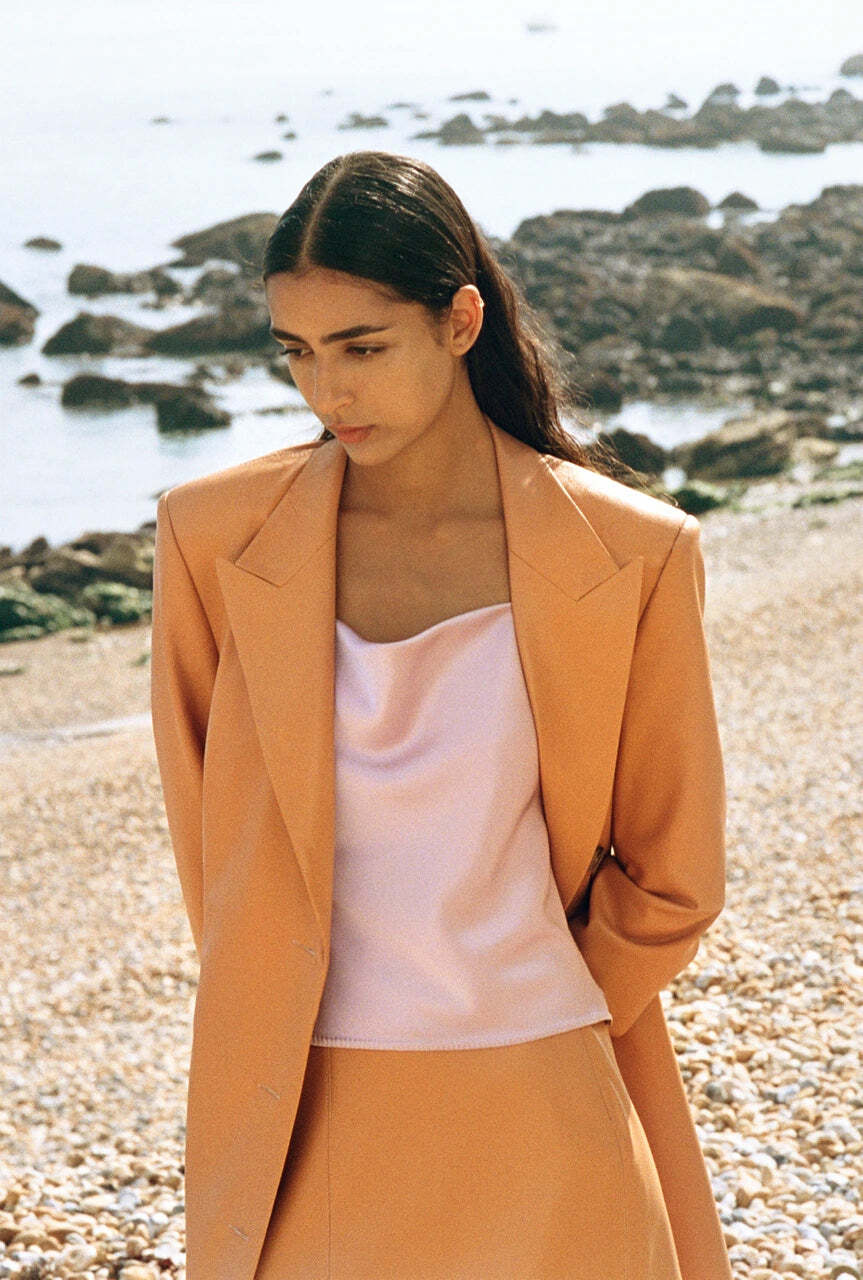
This is the strongest part of the system, so start with the palette, which is easiest to inventory as materials. Sand. Stone. Olive. Cream. Cognac leather. Add the occasional pop of color and you have the whole range. Most fashion feeds hand the eye twelve colors and ask it to pick a favorite; this one gives it five and lets the clothes do the talking.
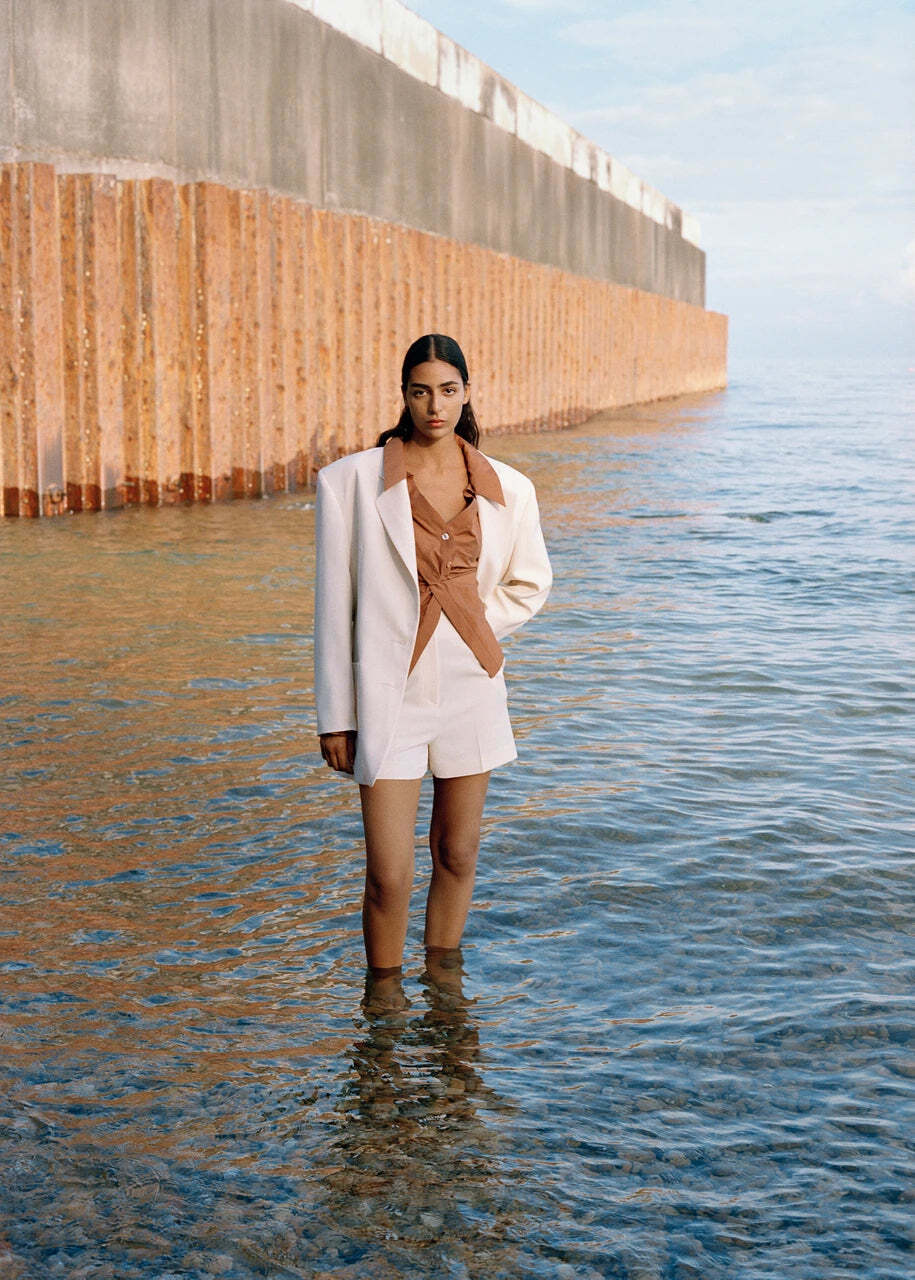
Film carries the nostalgia. The grain, the softened edges and the warm natural light make each image look like a snapshot from a trip, not a shoot. Take a beach frame: pale sand, a figure mid-stride, the horizon a little overexposed the way film forgives. The image says “someone was there,” a more persuasive claim than “someone styled this.”
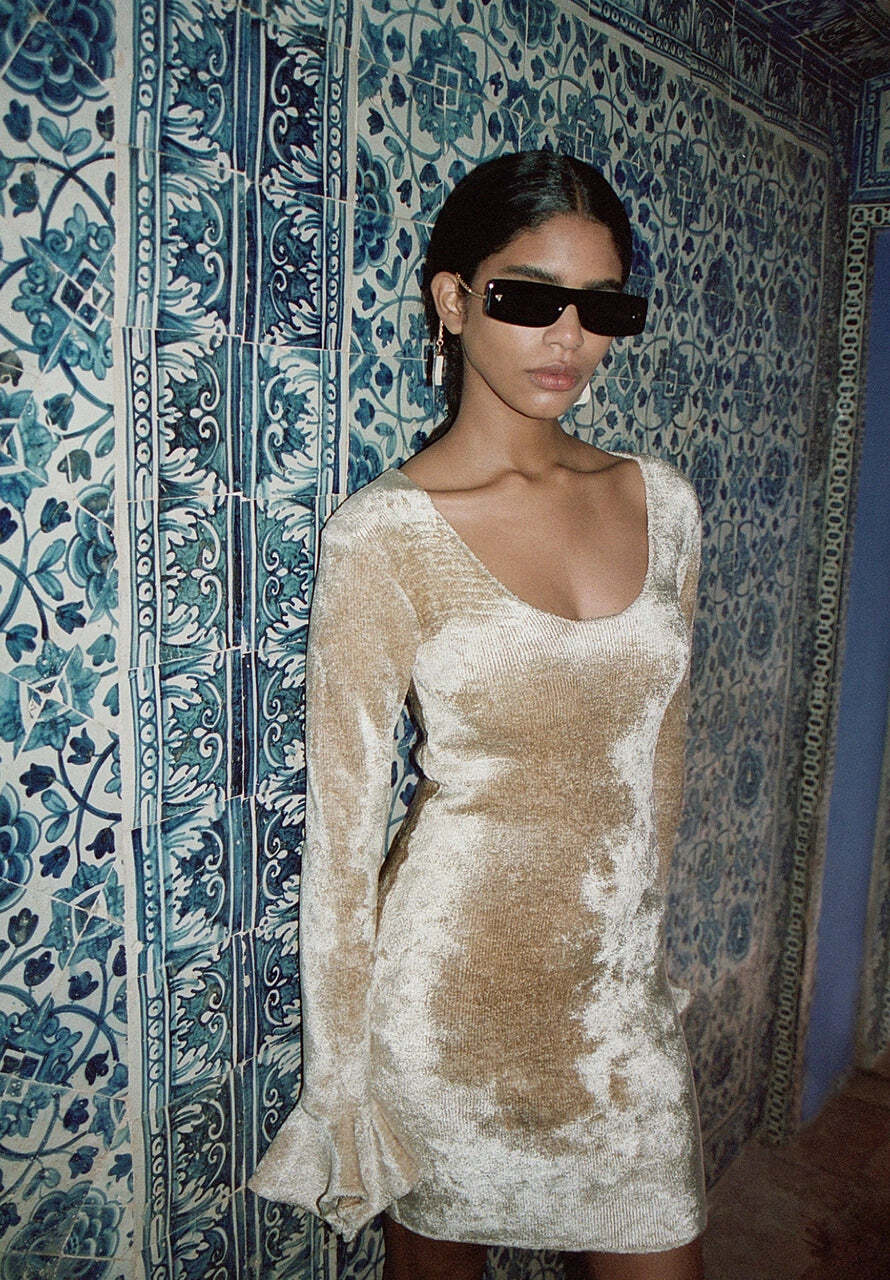
Locations change while the story holds. Beaches, forests and European cityscapes work like set changes in one play: the backdrop moves, the light and the palette do not.
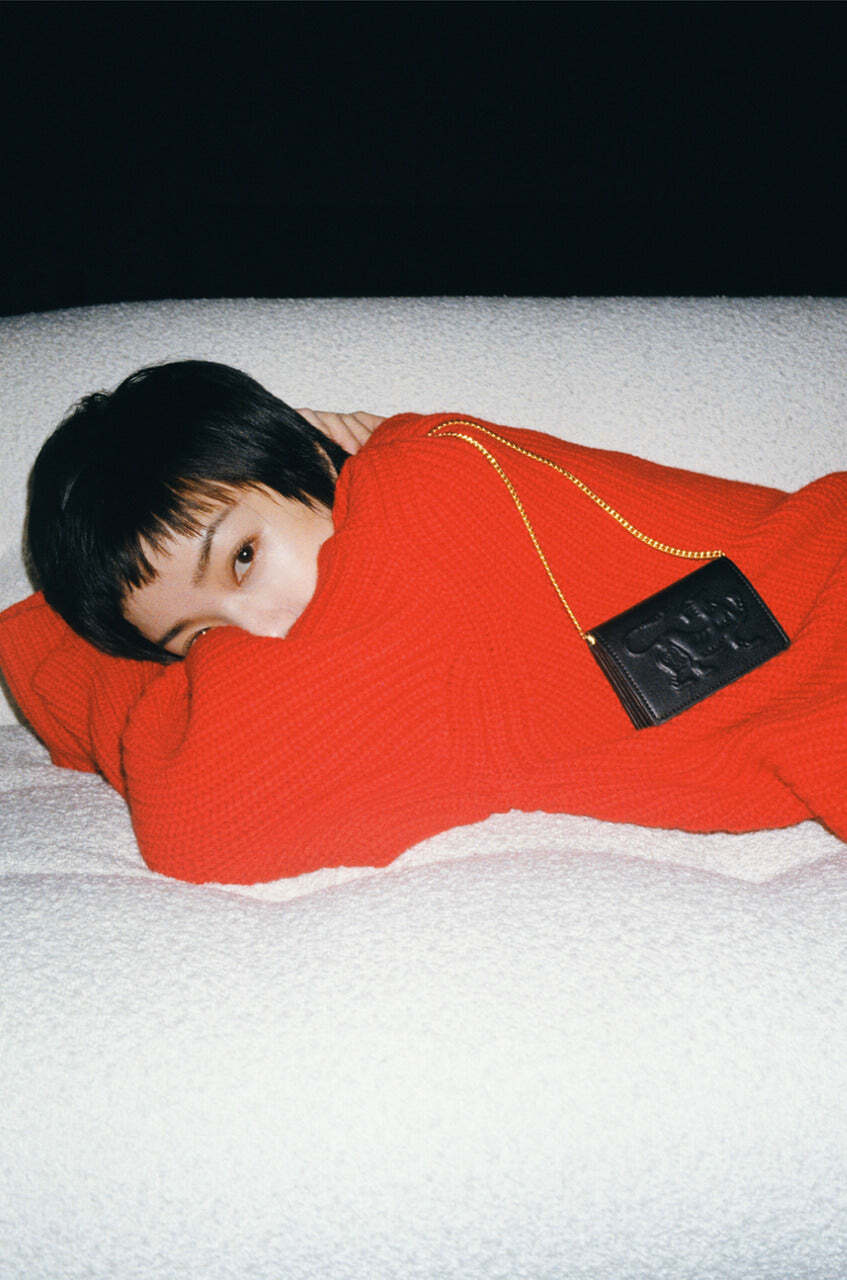
The last ingredient is the caught moment: a sleeve being adjusted, a glance away from the lens, the opposite of the hard-stare catalog pose. She is not looking at a model presenting clothes but at someone who happens to be wearing them.
Trends and Authenticity: Staying Relevant Without Losing Identity
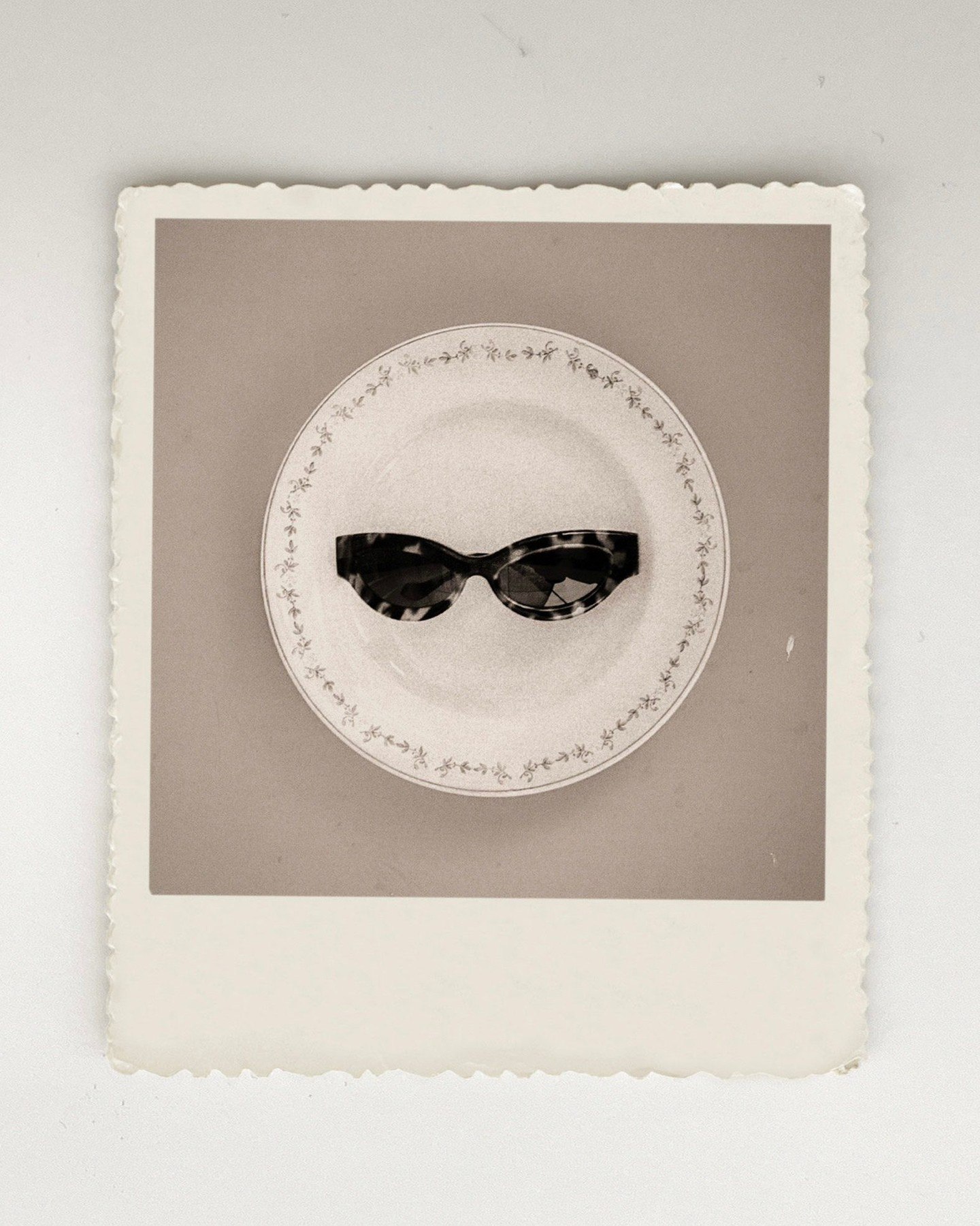
Nanushka reads the growing appetite for nostalgia and does not copy a retro look. It adopts the feeling through its own tools, warm natural light and film, so an ordinary afternoon looks remembered. That taps the audience’s longing for something simple and real.
For a small brand the distinction is practical: following a trend changes what you post; absorbing one changes how the same things are lit.
Humanizing the Brand: Nanushka’s Faces
The casting follows the same logic as everything else. Models have natural, memorable features and come from varied backgrounds, including Hungarian, Scandinavian, Asian and Latin. Their poses are casual and relaxed, like candid moments from real life, never the rigid stance of a runway.
The mechanism is simple: a traveler looks like a traveler, not a mannequin. When faces differ and posture is easy, the clothes read as something you could wear to an airport or a long lunch, which narrows the distance between the feed and the woman scrolling it.

What an Instagram Feed Can and Cannot Do for a Fashion Brand
Nanushka’s feed did what a feed can do. It made the brand recognizable in a second, made it look expensive without looking loud, and built the kind of desire that sends someone to a store or a product page. Those are real jobs, done with a consistency most brands never manage.
What no feed does is pay rent, negotiate with wholesale buyers, manage stock or protect cash. That is why the brand’s reported financial difficulty is not a verdict on its visual work, and why a strong feed does not insure a business model. For a small brand the takeaway runs opposite to what it first seems: you can build a feed system without Nanushka’s budget, but nobody will build the layer behind it for you.
The Caption-Covered Test: How to Borrow Nanushka’s Feed Discipline
Start with the story. Can you say it in one sentence, the way “modern bohemian, on the road” covers everything above? Then pick a palette of 4 or 5 materials and hold it: not “neutral tones,” but sand, stone, olive, cream, whatever your own pieces actually are.
Next, settle on 3 or 4 types of frame and repeat them for months: the wide landscape, the half-turn, the close detail, whatever suits your product. Repetition looks dull inside the studio and reads as confidence outside it. Cast for the person who buys, not for the runway, and keep the rhythm going between drops, not just before them. A feed that goes silent after launch week teaches followers to stop looking.
Now run the test. Open your own grid and cover the captions. Take 9 posts in a row and ask whether a stranger could pick your brand out of that lineup, by color, light and posture alone. If they could, you have a system. If they would guess three different brands, you have a pile of nice pictures, and a pretty feed that still doesn’t move the business is its own problem, which we unpack in 4 Reasons Why Social Media Fails Your Business.