
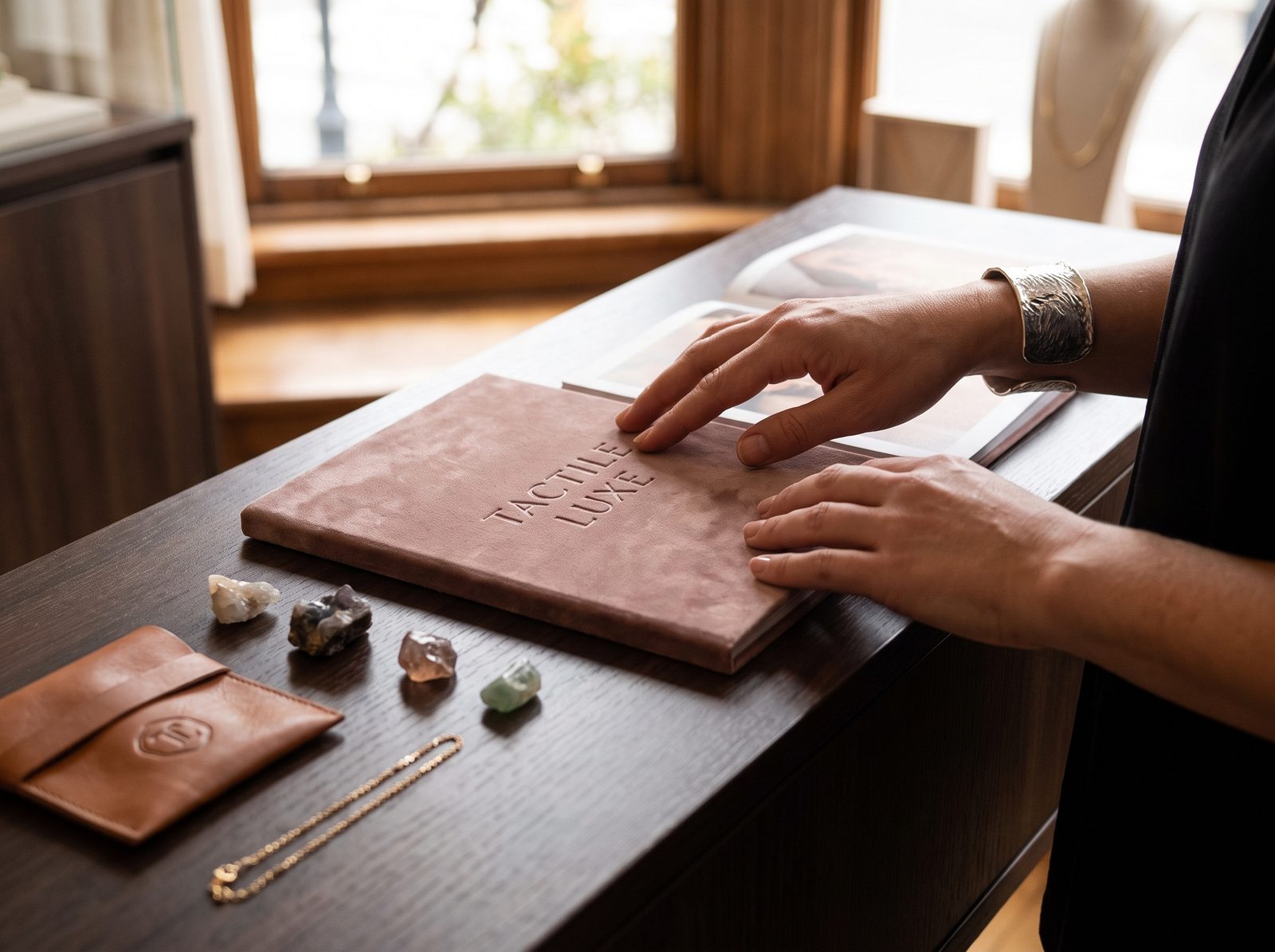
Tactile Marketing: Selling Touch When Customers Cannot Touch
Beyond the Visual: The Importance of Tactile Cues
In today’s digital age, where consumers are bombarded with visual stimuli, brands need to stand out by engaging multiple senses. Tactile marketing goes beyond the realm of sight and sound, creating a physical connection between the customer and the product.
Consider the example of a Fanta bottle. The embossed bubbles on the surface mimic the feeling of the carbonated beverage itself, adding a layer of sensory interaction that reinforces the brand’s identity.
Similarly, the weight and texture of product packaging can subconsciously influence a customer’s perception of quality. A luxury brand might opt for heavier, more substantial packaging materials, while a sustainable brand might choose recycled cardboard with a natural, textured feel.
Building Brand Recognition Through Touch
The Coca-Cola Company’s iconic glass bottle serves as a prime example of how tactile marketing can contribute to brand recognition. The unique shape and smooth feel of the bottle have become synonymous with the brand, creating a powerful emotional connection for generations of consumers.
Apple As a Tactile Marketing Powerhouse
Apple’s retail stores are a masterclass in tactile marketing. By allowing customers to freely touch, interact with, and try out their products, Apple fosters a sense of comfort and familiarity with the brand. This hands-on experience allows customers to assess product quality and functionality firsthand, leading to a more informed purchase decision and ultimately, increased brand loyalty.
How Touch Influences Buying Decisions
The act of physically holding a product can trigger a powerful psychological response. When we pick up an item, we subconsciously experience a sense of ownership. This feeling can make us less likely to part with the product, increasing the chances of a purchase. Tactile marketing capitalizes on this phenomenon by creating products with textures and materials that are inherently pleasant to the touch. The more enjoyable the tactile experience, the more likely a customer is to be swayed towards making a purchase.
Incorporating Tactile Marketing Tool into Your Strategy:
Here are some ways to integrate tactile marketing into your brand strategy:
- Packaging: Invest in high-quality packaging materials with textures and weights that reflect your brand identity.
- Product Design: Consider incorporating tactile elements into your product design, such as raised patterns or soft-touch finishes.
- In-Store Displays: Create interactive displays that allow customers to touch and feel your products. Samples: Offer product samples that allow customers to experience the texture and functionality of your offerings firsthand.
By harnessing the power of touch, you can create a more immersive and memorable brand experience for your customers. This, in turn, can lead to increased sales, brand loyalty, and a competitive edge in the marketplace. So, don’t underestimate the power of a well-placed touch – it could be the key to unlocking a deeper connection with your customers.