
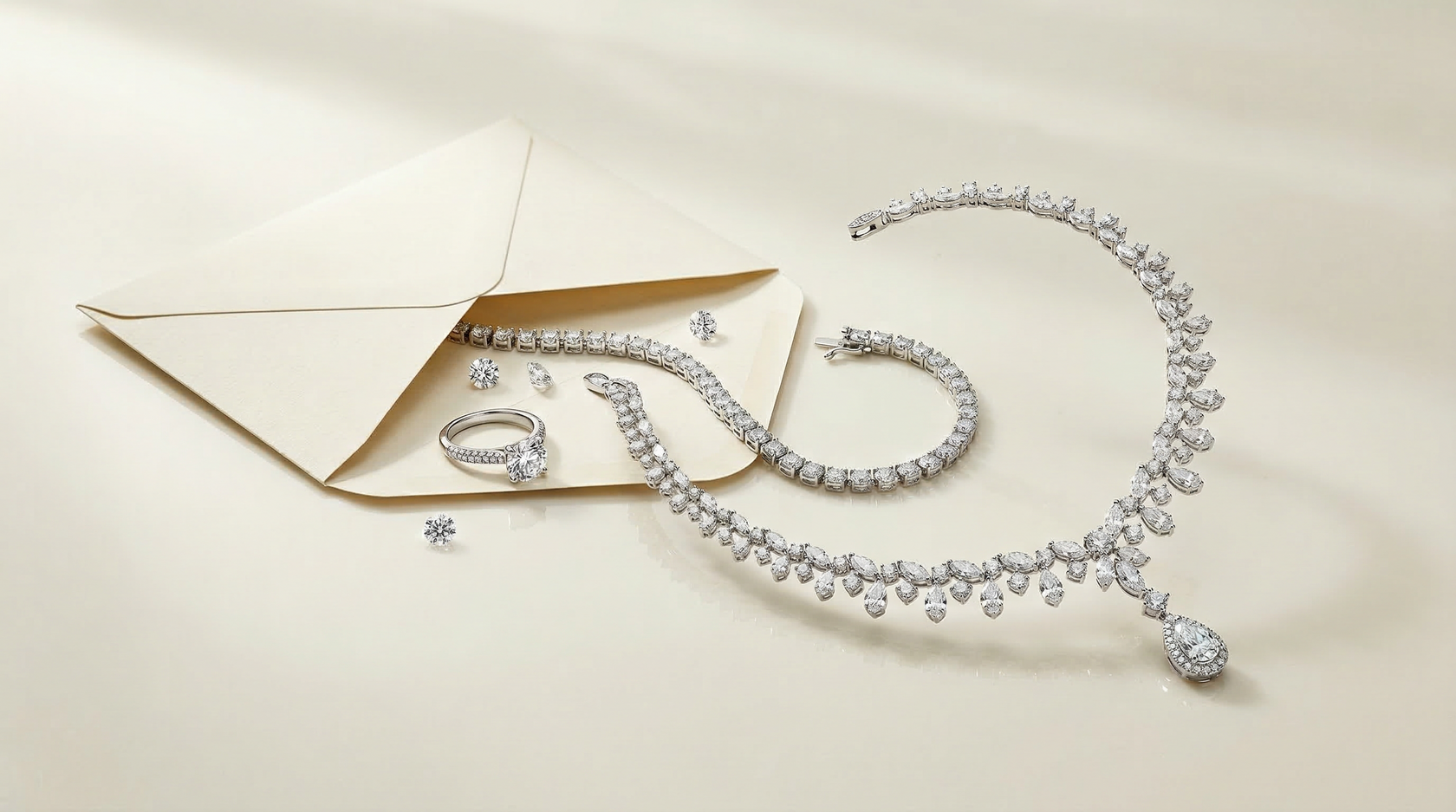
Catherine's jewelry business generated $400K annually, but her email marketing felt like an expensive exercise in futility. Each carefully crafted newsletter—complete with professional photography and artfully written product descriptions—landed with a resounding thud. Open rates hovered around 12%, clicks were virtually nonexistent, and she couldn't trace a single significant sale to her monthly communications.
The irony wasn't lost on her. Customers who visited her studio hung on every word during consultations, valued her expertise, and frequently returned for additional pieces. Yet these same discerning individuals seemed to ignore her digital outreach entirely. Meanwhile, she observed competitors with demonstrably inferior craftsmanship somehow maintaining engaged audiences that responded enthusiastically to their communications.
"I was creating these beautiful showcases—essentially digital lookbooks with purchase buttons—wondering why sophisticated women who appreciated quality seemed completely uninterested," Catherine reflected. "My emails were professionally executed but emotionally vacant, indistinguishable from countless other luxury brands competing for attention."
Eighteen months later, Catherine's email communications drive $65,000 in annual revenue while maintaining 47% open rates and generating a customer lifetime value 340% higher than her social media followers. Her transformation didn't require expensive automation platforms or aggressive promotional tactics. She discovered what successful jewelry entrepreneurs understand: email marketing becomes powerful when you abandon product promotion in favor of relationship cultivation.
The jewelry brands generating substantial email revenue don't simply create more visually appealing newsletters. They curate email experiences that customers anticipate, value, and engage with because the content enriches their relationship with jewelry rather than merely presenting purchasing opportunities.
Why Most Jewelry Email Marketing Fails Spectacularly
Most jewelry business owners approach email marketing like digital direct mail: send beautiful product photos, announce sales, repeat monthly. This promotional mindset explains why jewelry email marketing typically underperforms compared to other luxury industries.
Your customers didn't subscribe to your email list to receive advertisements. They're already interested in your brand, which means they want insider access, expertise, and content that enhances their relationship with jewelry rather than just opportunities to spend money.
Your breakthrough will come when you stop thinking like a jewelry seller and start thinking like a lifestyle curator. Your customers aren't just buying jewelry—they're buying confidence, expressing their style, celebrating relationships, and making investment decisions. Once you start serving those broader needs, everything changes.
The jewelry businesses that excel at email marketing understand that their audience consists of sophisticated consumers who appreciate education, inspiration, and exclusive access more than aggressive sales tactics. These customers have disposable income and jewelry appreciation, making them ideal for relationship-based marketing that builds loyalty over time.
Your customers didn't subscribe to your email list to receive advertisements. They're already interested in your brand, which means they want insider access, expertise, and content that enhances their relationship with jewelry rather than just opportunities to spend money.
Your breakthrough will come when you stop thinking like a jewelry seller and start thinking like a lifestyle curator. Your customers aren't just buying jewelry—they're buying confidence, expressing their style, celebrating relationships, and making investment decisions. Once you start serving those broader needs, everything changes.
The jewelry businesses that excel at email marketing understand that their audience consists of sophisticated consumers who appreciate education, inspiration, and exclusive access more than aggressive sales tactics. These customers have disposable income and jewelry appreciation, making them ideal for relationship-based marketing that builds loyalty over time.
15 Email Marketing Ideas That Generate Real Revenue
These strategies transform email lists from promotional channels into relationship-building assets that drive consistent revenue while enhancing customer satisfaction and brand loyalty.
1. The Personal Style Consultation Series
Create email series that help customers develop their personal jewelry style rather than just showcasing your products. This approach positions you as a trusted advisor while naturally featuring your pieces as examples of different style approaches.
Your style consultation emails should include topics like "Finding Your Signature Metal," "Mixing Vintage and Modern Pieces," and "Building a Jewelry Wardrobe That Works." Each email provides genuine style advice with examples from your collection that illustrate the concepts.
Practical Example: Subject: "Are You a Gold Person or Silver Person? (The Answer Might Surprise You)"
"Hi [Name], Most women think they're either 'gold people' or 'silver people,' but I've discovered something fascinating after 10 years of helping clients find their perfect pieces... Your skin undertone matters less than your lifestyle and personality. Here's how to really choose your signature metal: [Include 3-4 practical tips with photos of your pieces demonstrating each point]. Try this simple test with pieces you already own... [Actionable exercise]. Next week, I'll show you how to mix metals like a pro without looking confused. Best, [Your name]"
These emails generate significantly more engagement than product promotions because customers forward them to friends and reference them when they're ready to make purchases. The content actually helps them make better decisions rather than just trying to convince them to buy something.
Structure these emails around customer transformation rather than product features. Help subscribers understand how different jewelry choices affect their overall style presentation, confidence levels, and lifestyle alignment.
2. Behind-the-Scenes Creation Stories
Document your design and creation process in ways that build emotional connections while demonstrating the expertise and care that justifies your pricing. These emails work particularly well for custom jewelry businesses.
Share the story behind specific pieces including inspiration sources, design challenges, material selection decisions, and creation timelines. Include photos of works in progress, material selection processes, and finished pieces being worn by customers.
Practical Example: Subject: "This Ring Took 47 Hours to Make (Here's Why)"
"Hi [Name], I wanted to share the story behind this Art Deco-inspired engagement ring that just found its forever home... [Include photo]. It started when Sarah showed me her grandmother's 1920s compact and said 'I want something that would make her proud.' Here's how we brought that vision to life: [Include 3-4 progress photos with short descriptions of each stage]. The most challenging part was hand-engraving the milgrain detail - it took 6 hours alone, but look at this close-up... [Detail photo]. When Sarah saw the finished ring, she cried. That's why I do what I do. What heirloom pieces inspire you? Reply and tell me - I love hearing your stories. Best, [Your name]"
Send monthly creation stories that follow individual pieces from initial concept through completion. Customers love seeing the process because it helps them understand why handmade jewelry costs more than mass-produced pieces. When they see the work involved, they appreciate the value.
These emails often lead to custom orders as customers become interested in commissioning similar pieces or working with you on personalized designs.
3. Customer Spotlight and Story Features
Showcase customers wearing your jewelry while telling their stories in ways that help other subscribers see themselves in similar situations. This approach provides social proof while creating aspirational content.
Feature customers during significant life moments: engagements, career achievements, milestone birthdays, or personal style evolutions. Focus on how jewelry played a role in their story rather than just showing your products being worn.
Practical Example: Subject: "From Corporate to Consultant: How Emma's Style Evolved"
"Hi [Name], I want to introduce you to Emma, a longtime client who just celebrated her first year as an independent consultant... [Include photo of Emma wearing your pieces]. When Emma left her corporate job, she worried about maintaining professional credibility while expressing her personality. 'I was tired of hiding behind boring suits,' she told me. Here's how we transformed her jewelry collection: [Include before/after styling photos]. Her signature pieces: [Feature 2-3 pieces with brief descriptions]. Emma's styling tip: 'I layer delicate gold chains for client meetings but switch to statement earrings for networking events.' What's your signature styling move? I'd love to feature your story next. Best, [Your name]"
Your customer spotlights should include brief interviews about the customer's style evolution, the significance of specific pieces, and how jewelry helps them express their personality. These emails consistently generate high engagement because people love reading about other people's stories.
Ask featured customers to share styling tips, care recommendations, or stories about compliments they've received. This user-generated content feels more authentic than brand-created material while providing social proof for potential customers.
4. Seasonal Jewelry Care and Maintenance Guides
Provide valuable educational content that helps customers maintain and enjoy their jewelry investments while positioning yourself as an ongoing resource rather than just a one-time seller.
Create seasonal guides that address specific care needs: summer jewelry and chlorine exposure, winter storage strategies, spring cleaning techniques, and holiday preparation tips. Include professional advice about when to seek expert cleaning or repair services.
Practical Example: Subject: "Summer Jewelry Survival Guide (Before You Hit the Pool)"
"Hi [Name], Summer's here, and I'm already getting calls about jewelry disasters... Don't let yours be next! Here's your quick summer care guide: NEVER wear jewelry in chlorinated pools - even 'chlorine-safe' metals can discolor. Your pearls hate sunscreen (seriously, keep them separate). Beach day jewelry rules: [Include 3-4 specific tips with photos]. Signs you need professional cleaning: [List warning signs]. I'm offering complimentary jewelry check-ups this month - just reply to schedule 15 minutes when you're in the area. What's your biggest jewelry care concern? I'll cover it in next month's guide. Stay sparkly, [Your name]"
These educational emails build trust while keeping your brand visible between purchases. They also create opportunities for service revenue through cleaning, repair, and maintenance offerings that many jewelry businesses overlook.
Include care tips specific to different metal types, gemstone varieties, and jewelry styles. This expertise demonstration reinforces your professional credibility while providing genuine value to customers who want to protect their investments.
5. Trend Forecasting and Cultural Context
Position yourself as an industry expert by sharing insights about jewelry trends, cultural influences, and style movements that affect customer choices. This expertise-based content builds credibility while keeping subscribers engaged.
Analyze emerging trends months before they become mainstream, explaining what's driving changes in consumer preferences and how customers can incorporate new styles into their existing collections. Connect jewelry trends to broader cultural movements, fashion developments, and lifestyle changes.
Practical Example: Subject: "Why Everyone's Asking for 'Grandma's Ring' Style"
"Hi [Name], Something fascinating is happening in my studio... Three clients this month asked for 'rings that look like they belonged to my grandmother.' This isn't coincidence - it's a major cultural shift. Here's what's driving the vintage revival: [Include 2-3 cultural/social factors]. What this means for your jewelry choices: [Practical advice]. The pieces I'm seeing requested most: [Feature relevant pieces with brief descriptions]. Should you jump on this trend? Only if... [Include guidance on trend vs. personal style]. What vintage-inspired pieces are catching your eye? I'd love to hear your thoughts. Best, [Your name]"
Your trend emails should help customers understand whether specific trends align with their personal style and lifestyle needs rather than encouraging them to chase every fashion moment. This thoughtful approach builds customer trust while positioning you as someone who prioritizes their long-term satisfaction over short-term sales.
6. Investment and Value Education
Educate customers about jewelry as investment, helping them understand quality indicators, value retention factors, and smart purchasing decisions. This educational approach justifies premium pricing while building customer confidence.
Create content about understanding gemstone quality, recognizing craftsmanship excellence, and evaluating jewelry value propositions. Explain how different materials, construction methods, and design approaches affect both immediate appeal and long-term value.
Practical Example: Subject: "The $2,000 Ring vs. The $200 Ring: What You're Really Paying For"
"Hi [Name], A client recently asked me, 'Why does this ring cost $2,000 when I can get something similar for $200?' Great question. Here's exactly what you're paying for: [Include side-by-side photos]. Quality differences you can see: [List 3-4 visible differences]. Quality differences you can't see but will feel: [List construction/durability factors]. The 10-year cost comparison: [Break down long-term value]. How to spot quality when shopping elsewhere: [Include 3-4 specific tips]. Questions to ask any jeweler: [List key questions]. Remember: the most expensive piece isn't always the best value, but the cheapest rarely is. What jewelry investment questions can I help you with? Best, [Your name]"
These emails work particularly well for businesses serving affluent customers who view jewelry purchases as investments rather than just fashion accessories. Educational content helps them make informed decisions while positioning your expertise as valuable guidance.
7. Exclusive Preview and Early Access
Reward email subscribers with exclusive access to new collections, limited editions, or special pieces before they're available to general customers or social media followers. This exclusivity builds subscriber loyalty while driving immediate sales.
Create anticipation through preview emails that showcase upcoming pieces without immediately offering them for sale. Follow up with exclusive purchase opportunities that make subscribers feel valued and special.
Practical Example: Subject: "First Look: Your Exclusive Preview (24 Hours Early)"
"Hi [Name], You're seeing this 24 hours before anyone else... [Include preview photos of new collection]. I've been working on this collection for eight months, inspired by the Art Nouveau movement and modern architecture. Here's the story: [Brief inspiration/creation story]. What makes these pieces special: [Highlight 2-3 unique features]. Tomorrow at 10 AM, these pieces go live to the public. But as one of my valued email subscribers, you get first choice: [Include exclusive early access link or scheduling option]. Only 3 pieces of each design were made. Questions about sizing, customization, or anything else? Just reply - I read every email personally. Thank you for being part of my inner circle. Best, [Your name]"
Structure your early access campaigns to feel like privileges rather than aggressive sales tactics. Use language that emphasizes the exclusive nature of the opportunity while maintaining the sophisticated tone your luxury customers expect.
8. Gift Giving Guidance and Occasion Matching
Help customers navigate jewelry gift giving for various relationships and occasions, positioning yourself as an expert guide for these important purchase decisions. This approach captures gift-giving revenue while providing genuine value.
Create seasonal gift guides that go beyond basic product recommendations to include relationship considerations, personality matching, and occasion appropriateness. Help customers understand how different jewelry choices communicate different messages.
Practical Example: Subject: "Gift Guide: What Your Jewelry Choice Really Says"
"Hi [Name], 'Help! I have no idea what jewelry to buy her' - I hear this weekly. Here's your decoder ring for jewelry gift giving: For new relationships (under 6 months): [Include appropriate options with explanations]. For established relationships: [Different tier of suggestions]. For milestone moments: [Special occasion pieces]. What your choice communicates: Earrings say 'I think you're beautiful,' necklaces say 'I want to be close to your heart,' rings say... well, that depends! [Include meaning guide]. Sizing without spoiling the surprise: [Include 3-4 practical tips]. My gift wrapping makes everything look perfect: [Include service details]. Still confused? Reply with the relationship/occasion and I'll give you personal recommendations. Best, [Your name]"
Your gift guides should address common concerns like sizing, style preferences, and budget considerations that make jewelry gift giving feel risky for many customers. Provide solutions that build confidence while showcasing appropriate pieces from your collection.
9. Personal Shopping and Styling Services
Offer virtual personal shopping experiences through email that provide customized recommendations based on individual customer preferences, lifestyles, and existing collections.
Create questionnaires that help you understand subscriber style preferences, lifestyle needs, and jewelry goals. Use this information to send personalized recommendations that feel curated specifically for each customer.
Practical Example: Subject: "Your Personal Style Report: 3 Pieces That Would Perfect Your Collection"
"Hi [Name], Remember that style questionnaire you filled out last month? I've been thinking about your responses, and I have some ideas... Based on your love of minimalist design and professional wardrobe needs, here are three pieces that would be perfect for you: [Include personalized recommendations with photos]. Why these work for your lifestyle: [Specific reasoning for each piece]. How to style them: [Practical styling tips for her specific situation]. Your next style challenge: You mentioned wanting to incorporate more color - here's how to do it without feeling overdressed: [Include specific advice]. Want to see these pieces in person? I'm holding them aside for you until Friday. Questions? Just reply - I love talking style strategy. Best, [Your name]"
These personalized emails generate high engagement and conversion rates because they address individual needs rather than broadcasting generic product promotions. They also build stronger customer relationships through the personal attention they demonstrate.
10. Milestone and Anniversary Recognition
Acknowledge customer anniversaries, birthdays, and purchase milestones with personalized emails that celebrate relationships rather than just promoting sales opportunities.
Send birthday emails with styling tips for their birth month gemstone, anniversary recognition for long-term customers, or care reminders for pieces they purchased a year ago. These touches demonstrate attention to individual relationships.
Practical Example: Subject: "Happy Birthday, Sarah! (Plus Your Emerald Style Guide)"
"Hi Sarah, Happy birthday! I hope your day is as wonderful as you are. Since you're a May baby, I thought you'd enjoy knowing more about your birthstone, emerald... [Include interesting facts about emeralds]. Emerald styling secrets: [Include 2-3 styling tips with photos]. Caring for your emerald pieces: [Include care tips]. A little birthday gift from me: [Include small offer like complimentary cleaning or styling consultation]. I love that emerald ring you picked up last spring - have you been getting compliments? Send me a photo if you wear it on your birthday! Wishing you a year filled with beautiful moments. Best, [Your name]"
Include exclusive offers that feel like gifts rather than sales promotions. Small discounts, complimentary services, or exclusive access opportunities work better than aggressive promotional language for milestone communications.
11. Cultural and Historical Jewelry Education
Share fascinating stories about jewelry history, cultural significance, and symbolic meanings that appeal to customers who appreciate the deeper significance of their jewelry choices.
Create content about ancient jewelry traditions, cultural symbols, historical significant pieces, and the evolution of jewelry styles across different societies. This educational content appeals to customers who view jewelry as cultural expression rather than just decoration.
Practical Example: Subject: "The Secret Message in Your Victorian Ring"
"Hi [Name], That vintage-inspired ring you've been admiring carries a hidden love story... [Include ring photo]. During the Victorian era, jewelry was a secret language. Each symbol meant something specific: [Include symbol meanings with examples]. The most romantic: 'Regard rings' that spelled out messages with gemstone initials - Ruby, Emerald, Garnet, Amethyst, Ruby, Diamond = REGARD. Hidden messages I've incorporated into modern pieces: [Show examples from your collection]. What message would you want your jewelry to tell? The Victorians knew something we've forgotten: jewelry should tell your story, not just look pretty. Which historical period inspires your style most? I love hearing your thoughts. Best, [Your name]"
These emails work particularly well for businesses specializing in vintage-inspired designs, cultural jewelry, or pieces with symbolic significance. Educational content builds appreciation for craftsmanship while justifying premium pricing.
12. Seasonal Styling and Wardrobe Integration
Help customers integrate jewelry into their seasonal wardrobes and adapt their collections for different occasions, weather conditions, and style needs throughout the year.
Create styling guides that show how to transition jewelry from season to season, layer pieces effectively, and adapt formal jewelry for casual wear. Include tips for coordinating metals, managing proportions, and creating cohesive looks.
Practical Example: Subject: "Fall Layering: 5 Styling Tricks That Actually Work"
"Hi [Name], Fall is here, which means layering season! But how do you layer jewelry without looking like you raided a costume shop? Here are my tried-and-true rules: Rule #1: Vary your chain lengths by at least 2 inches [Include example photo]. Rule #2: Mix textures, not just metals [Show examples]. Rule #3: Start with your statement piece and build around it [Include styling progression photos]. Rule #4: Your sweater neckline determines everything [Include neckline guide]. Rule #5: When in doubt, remove one piece [Coco Chanel was right!]. Your fall challenge: Try layering 3 necklaces this week and send me a photo. I'll feature the best looks in next month's email! What's your biggest layering struggle? Best, [Your name]"
These practical styling emails provide ongoing value while keeping your brand visible during periods when customers might not be actively shopping for new pieces. They also encourage customers to wear existing pieces more frequently.
13. Community Building and Customer Connection
Foster connections between customers who share interests in jewelry, style, and luxury lifestyle topics. This community approach builds brand loyalty while creating customer advocates.
Feature customer styling tips, share photos of customers wearing your pieces in interesting locations, or create opportunities for customers to connect with each other around shared interests. This approach makes subscribers feel part of an exclusive community.
Practical Example: Subject: "Customer Spotlight: 5 Styling Tips From Your Fellow Jewelry Lovers"
"Hi [Name], You asked for more styling inspiration, so I reached out to some of my most stylish clients. Here's what they shared: From Jessica in NYC: 'I wear my statement earrings with casual outfits to elevate them instantly' [Include photo]. From Maria in Austin: 'I stack three thin rings instead of one thick one - more interesting and versatile' [Include photo]. From Amanda in LA: 'My secret weapon is wearing my grandmother's brooch as a hair accessory' [Include photo]. From Lisa in Chicago: 'I layer a choker with a long pendant for instant sophistication' [Include photo]. From Karen in Miami: 'I always match my jewelry metals to my hardware - watch, glasses, belt buckle' [Include photo]. Want to be featured next month? Send me your best styling tip with a photo! Our community loves learning from each other. Best, [Your name]"
Encourage customers to share their own jewelry stories, styling discoveries, or travel photos featuring your pieces. User-generated content creates authentic community feeling while providing social proof for potential customers.
14. Expert Interviews and Industry Insights
Share interviews with industry experts, gemologists, fashion historians, or style influencers who can provide interesting perspectives on jewelry topics that appeal to your sophisticated audience.
Feature conversations about industry trends, gemstone sourcing, design innovation, or jewelry investment that position your brand as connected to broader industry expertise and cultural conversations.
Practical Example: Subject: "What a Master Gemologist Taught Me About Buying Diamonds"
"Hi [Name], Last week I sat down with Sarah Chen, a master gemologist with 20 years of experience, and what she told me about diamond buying will surprise you... The biggest myth: 'You must buy the highest grade available.' The truth: [Include expert insight]. What she looks for when buying diamonds for herself: [Include 3-4 practical tips]. The one question she always asks: [Include specific question]. Red flags when diamond shopping: [Include warning signs]. Her advice for my clients: [Include personalized recommendations]. The most interesting thing she told me: 'The best diamond isn't always the most expensive one - it's the one that makes you smile every time you look at it.' Want to learn more? Sarah will be at my studio next month for private consultations. Reply if you're interested! Best, [Your name]"
These expert interviews add credibility to your email content while providing subscribers with access to information they couldn't easily find elsewhere. This exclusive access reinforces the value of remaining subscribed to your emails.
15. Seasonal Event and Occasion Planning
Help customers plan their jewelry choices for upcoming events, seasons, and special occasions by providing thoughtful guidance that goes beyond basic product recommendations.
Create planning guides for wedding seasons, holiday parties, vacation travel, professional wardrobe updates, and other occasions when customers make deliberate jewelry choices. Include practical considerations like comfort, appropriateness, and versatility.
Practical Example: Subject: "Your Holiday Party Jewelry Strategy (Without the Stress)"
"Hi [Name], Holiday party season is approaching, and I know you're already thinking about what to wear... Here's your stress-free jewelry strategy: For cocktail parties: [Include specific recommendations with photos]. For formal dinners: [Different suggestions]. For office parties: [Professional-appropriate options]. For family gatherings: [Versatile, meaningful pieces]. The golden rule: Match your jewelry's 'volume' to the event - quiet gathering = delicate pieces, festive party = statement pieces. Avoid these holiday jewelry mistakes: [Include 3-4 common errors]. Need something new? I'm taking appointments now for holiday consultations. Want to shop your own collection instead? Send me photos of what you're considering and I'll help you style it perfectly. Let's make this your most stylish holiday season yet! Best, [Your name]"
These planning emails capture customers when they're actively considering jewelry purchases while providing helpful guidance that builds confidence in their decision-making process.
Creating An Email Marketing Strategy for Your Jewelry Business
Implementing these ideas requires systematic planning that builds customer relationships while driving sustainable revenue growth. Start by understanding your specific customer base and choosing email approaches that align with their interests and your brand positioning.
Content Calendar Development
Plan your email content around customer needs and seasonal patterns rather than just promotional opportunities. Create a balanced mix of educational content, exclusive access, and gentle sales opportunities that maintains subscriber engagement.
Develop monthly themes that allow you to explore topics comprehensively while maintaining consistency. For example, dedicate January to investment and care education, February to relationship and gift guidance, and March to spring styling and wardrobe integration.
Personalization and Segmentation
Segment your email list based on customer behavior, preferences, and purchase history to deliver more relevant content that drives better engagement and conversion rates.
Create segments for different customer types: first-time buyers, repeat customers, high-value clients, engagement ring shoppers, and custom work clients. Tailor content to each segment's specific interests and needs.
Performance Measurement and Optimization
Track email performance metrics that reflect relationship building and revenue generation rather than just opens and clicks. Monitor customer lifetime value improvements, repeat purchase rates, and revenue attribution to email marketing efforts.
Test different subject lines, send times, and content approaches to optimize performance while maintaining the sophisticated tone your luxury customers expect. Focus on metrics that indicate strengthening customer relationships rather than just immediate sales.
The jewelry businesses that generate substantial email revenue understand that successful email marketing builds relationships first and drives sales as a natural result of those strengthened connections. Your email list becomes a valuable business asset when you focus on serving customer needs rather than just promoting products.
Test different subject lines, send times, and content approaches to optimize performance while maintaining the sophisticated tone your luxury customers expect. Focus on metrics that indicate strengthening customer relationships rather than just immediate sales.
The jewelry businesses that generate substantial email revenue understand that successful email marketing builds relationships first and drives sales as a natural result of those strengthened connections. Your email list becomes a valuable business asset when you focus on serving customer needs rather than just promoting products.