
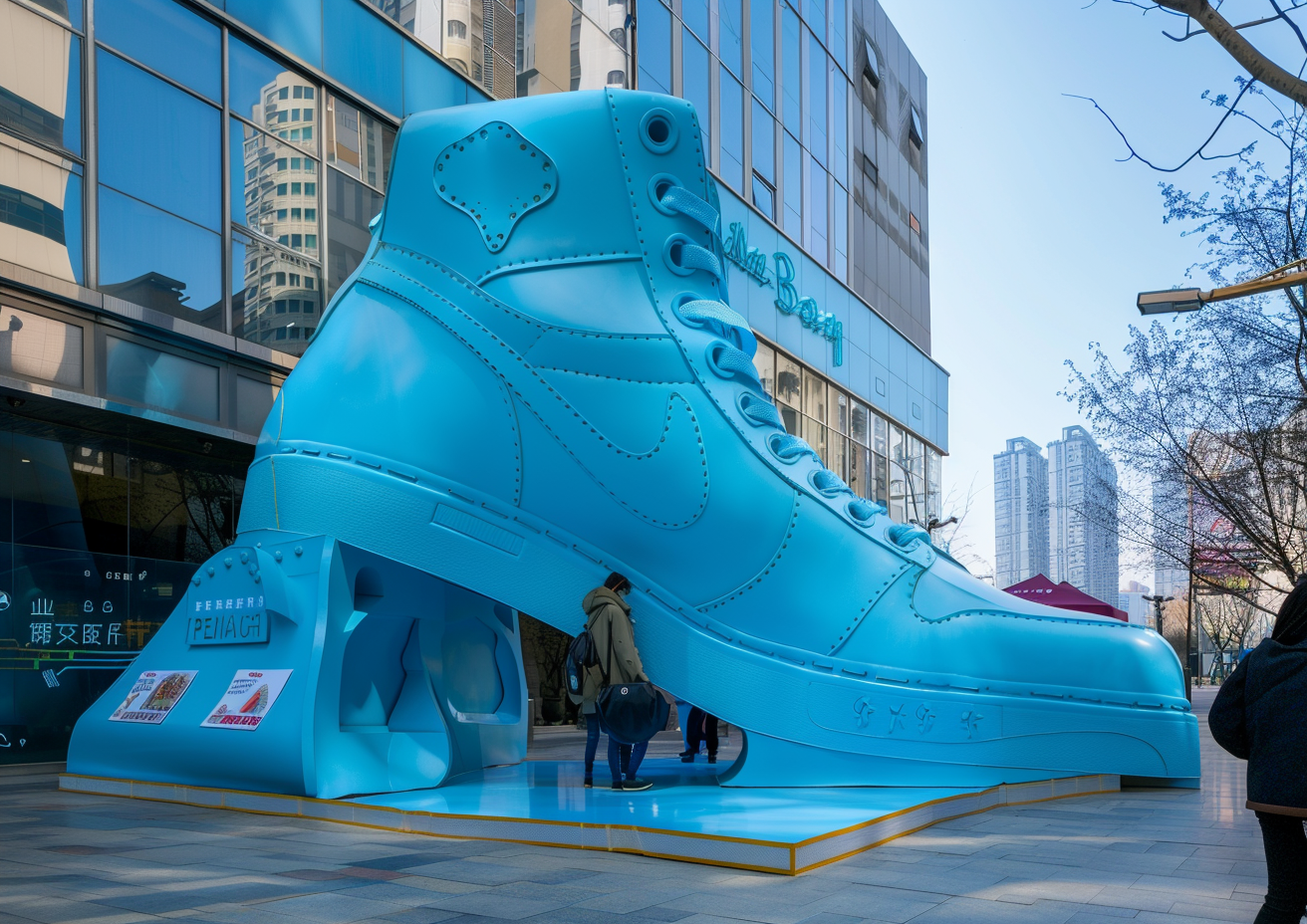
Guerrilla Marketing for Brands That Dare to Stand Out
In September 2010, New Yorkers on their way past Wall Street found the Charging Bull, the bronze built for menace, wearing an oversized pair of briefs. The underwear brand GoldToe had dressed the statue overnight. Nobody bought ad space for it; the stunt was the ad, and every phone that passed did the distribution. That is guerrilla marketing at its cleanest: one object, one scene, one reason to retell it.
It is also cheaper in media and pricier in everything else: you skip the ad budget and pay in ideas, production, nerve and preparation. Below are 7 real campaigns, each with a date, what a bystander saw and what a brand of 1 to 20 people can copy, plus the part most guides skip: what has to be ready before the stunt so the attention has somewhere to land.
What Is Guerrilla Marketing?
Guerrilla marketing is a brand showing up in a place where advertising doesn’t normally live: a street, a station, a shop window, a statue, a runway. It isn’t a feed ad, a billboard or a sponsored post. The medium is the scene itself, and the audience is whoever walks into it, plus everyone who gets the photo.
Traditional marketing buys frequency: you see the brand again and again until it sticks. Guerrilla marketing buys one scene and counts on people to carry it. If the scene is sharp enough to describe in a sentence, the retelling does the media buying.
How Is It Different From Traditional Marketing?
Guerrilla marketing costs far less in media and only sometimes less overall: producing the stunt, getting permissions and handling the reaction take real money and nerve. The honest comparison:
| Traditional marketing | Guerrilla marketing | |
|---|---|---|
| What it buys | Frequency: the same message, repeated across channels | One scene, retold by the people who saw it |
| What it costs | Media budget, week after week | Idea and production, mostly upfront |
| What it demands | A placement plan and approvals | Permissions, consent from anyone in frame, and a plan for the reaction |
The Perks of Guerrilla Marketing for Fashion, Jewelry, and Beauty Brands
Fashion, jewelry and beauty sell identity and desire, and both travel well in a single image. 3 practical advantages follow:
- Cost. There is no media line in the budget.
- Reach by retelling. The Berlin sneaker, a collaboration between Adidas Originals, the city’s transit operator BVG and the sneaker store Overkill, spread through news coverage and social media without a media buy.
- Closeness. A stunt puts your brand in front of a person, not a feed. Payless did this in November 2018 with Palessi, a fake luxury label that came with a real storefront, runway models and shoppers standing in front of the product. The conversation about value happened in person.
7 Guerrilla Marketing Strategies (With Real, Dated Examples)
Each strategy starts with a scene, then says what to copy and what to leave. Copy the format, never the budget.
1. Disrupt the Expected
Adidas Originals, BVG and Overkill released a limited sneaker upholstered in the pattern of the seats on Berlin’s trains. The tongue carried a working annual pass for the city’s network, valid for 2018, and the pair cost €180.
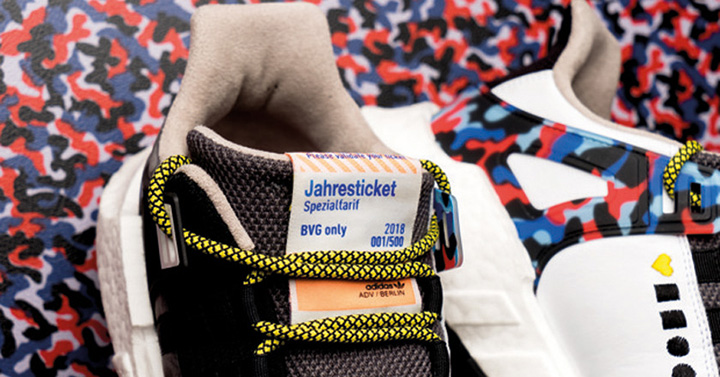
For your brand, copy the idea of utility sewn into the product. The partner can be a transit line, a museum, a coffee shop or a flower market: someone whose daily object your customers already touch. Don’t copy the production. A limited run of 500 pairs is Adidas-sized; a tote with a local museum’s day pass in the pocket is yours-sized. Get the partner’s written okay on how their name and pattern are used.
2. Small Budget, Big Impact
That GoldToe stunt from the opening cost almost nothing: a few pairs of outsized briefs and a night’s access to a public statue. One clear joke, no caption needed, and the photos traveled on their own.
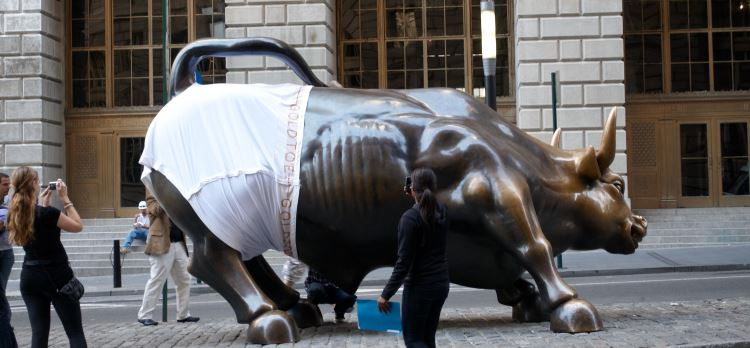
What copies: a public object, your product and one clear joke. What doesn’t: improvising on a landmark. Ask the owner of the object or the venue first, and plan the cleanup for the same day. A jewelry brand can dress a mannequin in a partner shop’s window; a beauty brand can stage a live “glow-up” there. If you need a paragraph to explain the joke, it isn’t ready.
3. Emotional Engagement
In November 2018, the discount shoe chain Payless opened “Palessi” in Santa Monica, a fake Italian luxury label with a polished storefront and runway models. Influencers arrived expecting a real launch and paid hundreds of dollars for shoes that normally sell for $20 to $40. Then the truth came out, and the stunt spread through the press and social media without a media budget.
Payless itself went through a Chapter 11 restructuring in 2019 and closed its North American stores before relaunching, which says nothing against the stunt: Palessi did exactly what it set out to do.
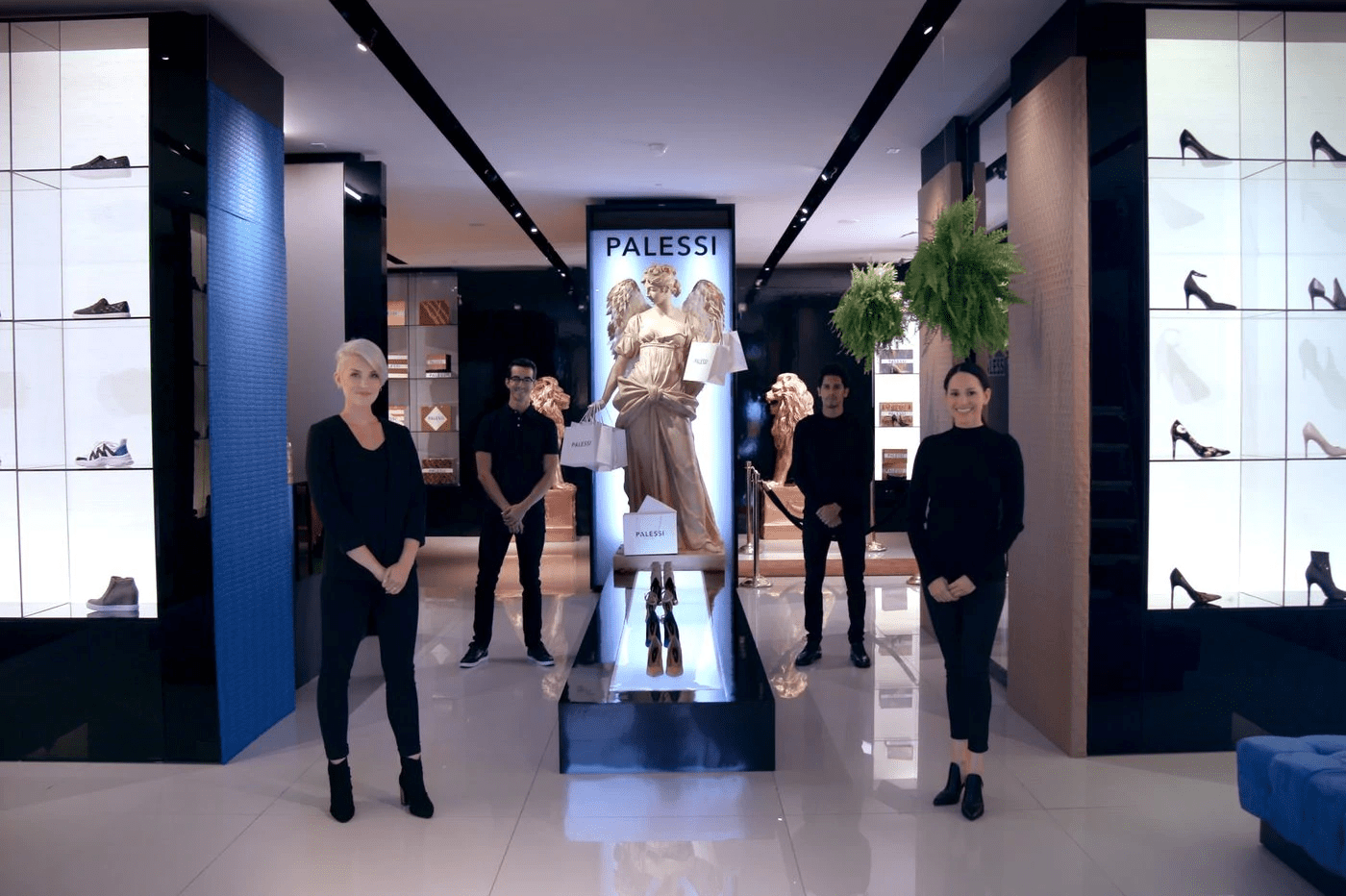
What copies: a mismatch between how a product looks and what it costs, played gently. What doesn’t: access to a roomful of influencers. The reality line is the reveal: participants should hear the truth from you the same day and leave feeling clever, not tricked.
4. Collaborate to Dominate
At Paris Fashion Week on September 30, 2022, the brand Coperni had the company Fabrican spray a fabric directly onto Bella Hadid on the runway. The dress took shape on her in a matter of minutes, in front of the audience. The scene was short; the retelling went on for weeks. More on how these partnerships play out: fashion brand collaborations.
What copies: a partner from outside fashion (materials, a lab, food, transport) who makes a scene your clothes can’t make alone. For a team of 1 to 20, that partner is a local ceramicist, a florist, a pastry chef or a print shop. Build one scene a single phone can capture in one take, and agree beforehand who films and who posts.
5. The Power of Shock and Awe
When 20th Century Fox opened the film Red Sparrow in Toronto in March 2018, 20 models dressed as the lead character walked through the streets, handing out business cards printed with showtimes. 20 identical figures moving through ordinary foot traffic read as something between a flash mob and a rumor, and the cards gave the curiosity a place to go.
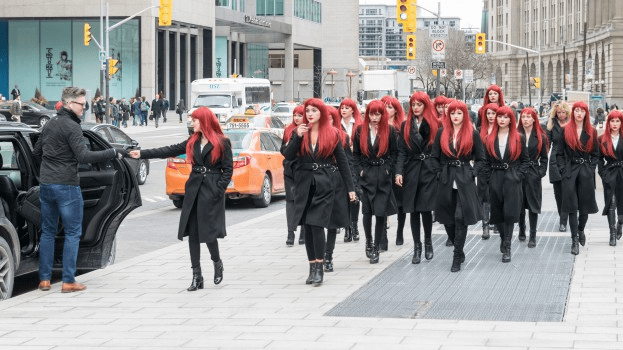
For your brand, a version fits on one street in one hour: living mannequins wearing your pieces, or a before-and-after for a beauty line. The reality line has 3 parts: permission from the venue or the street’s manager, consent from anyone you film, and one person whose only job is to shoot for your feed. A stunt without footage happens once.
6. Use Online Platforms Wisely
Some recent stunts never touched a street. In April 2023, Jacquemus posted a video of giant Le Bambino handbags moving through the streets of Paris. They were CGI, shown as CGI, and the bags still looked like they belonged on the street. In July 2023, Maybelline did the same for its Sky High mascara: giant lashes on a London Underground train, with a mascara brush standing in a station.
The format is called FOOH, fake out-of-home: a street scene without the street. Both brands presented it as CGI, and so should you: say so in the caption. Passing a render off as a real installation turns a good idea into a credibility problem.
The 2016 Deadpool Tinder profile was an early version of the same move: the brand shows up where the audience is already scrolling.
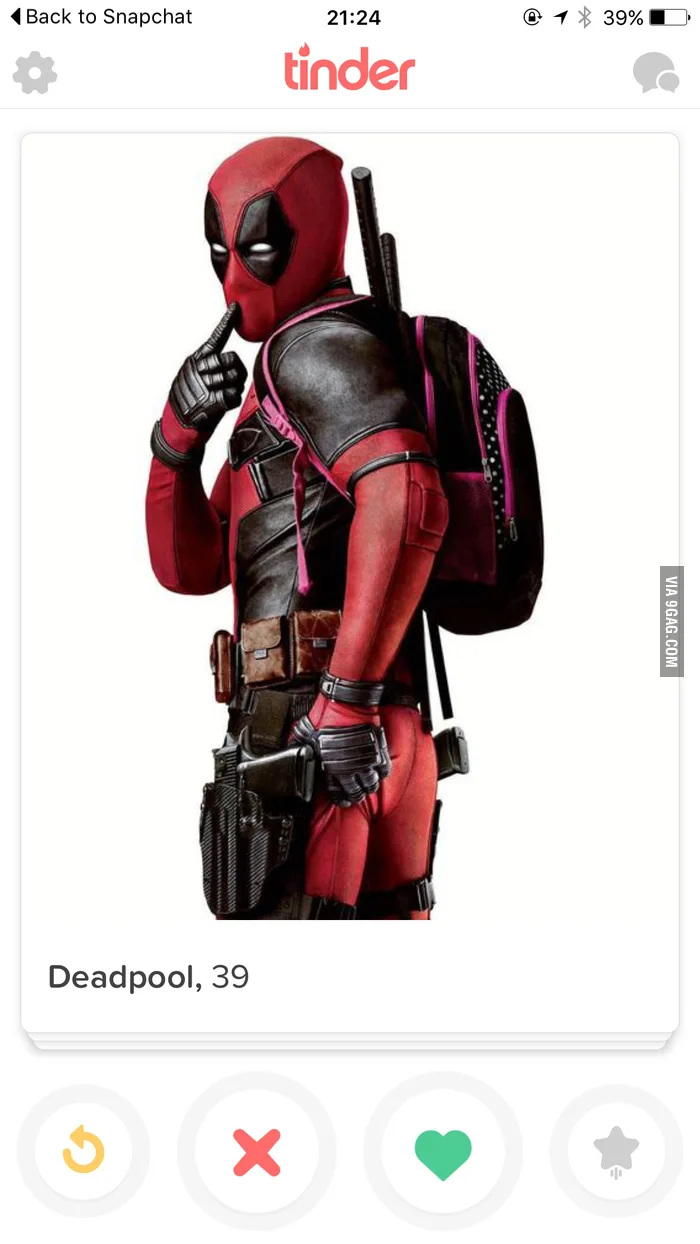
What copies: one 3D scene of your bag or bottle on a street your customers know. It costs less than a shoot and needs no permits. You need a 3D artist and your product in exact proportions.
7. Always Tell a Story
The stunts that lasted had a story under the trick, and the story was about the brand. Palessi was about what we assume a price means; the Berlin sneaker was about a shoe that belonged to the city. A trick gets one share. A story gets retold with the brand’s name attached.
Take the story you already tell (the hours in a handmade piece, the person behind the design, why the product exists) and give it a physical form. A jewelry brand can build a traveling display that shows a ring being made by hand; a beauty brand can run a pop-up where customers hear each product’s backstory during a free mini-makeover.
Before You Stage Anything, Build the Catch
A stunt gives you one loud minute. The money is earned in the week after it, which is the week most brands aren’t ready for. People see the scene, check the account and find a feed that went quiet 3 days ago, a DM nobody answers and no page to land on. The attention just drifts.
Before the day, have 4 things ready: a feed that posts on the day of the stunt and through the following week (not 10 posts followed by silence); answers to the questions you can predict (price, sizing, where to buy, when it restocks); a page or a drop for the attention to land on, with a sign-up if the product isn’t live yet; and a short list of what you’ll count: press and creator mentions, saves and shares, DMs, visits to the page, drop sign-ups.
If the feed is where it breaks, start with the 4 reasons social media stops paying a brand back.
How You Can Get Started Today
You don’t need a Berlin-sized production to start. These 4 moves fit a team of 1 to 3 people, each with the one thing to line up first.
- Host a flash event. Pick a spot your customers already pass, like the block outside a partner shop or a weekend market, and stage something short: a pop-up stand or a styling hour. Get the host’s okay, decide who films, and end the same evening with a post and a link to your next drop.
- Create an interactive street display. A chalk mural, a mirror with a prompt or a window people can write on, set up with the owner’s agreement at a busy hour. Take it down yourself, and close with a recap post showing before and after.
- Run a collaborative workshop. Partner with a local artist or creator and teach people to style your pieces, finish a custom one or design their own. Agree on who handles sign-ups and who owns the footage, and send everyone home with a photo and a page to follow. More formats: jewelry store event ideas.
- Use everyday locations. Branded cards in a partner café, a message on the stairs of a building that has agreed to host it. Ask the venue, keep it small and put a code or a link on the card.
Before you put money into any of these, run one test. Say a stranger films your stunt on a phone and posts it with no caption. Within 9 seconds, someone who has never heard of you should be able to tell what the brand is and what to do next. If they can’t, the idea needs another round, and a camera won’t fix it.